The future of Africa rests squarely on the shoulders of its youth. However, persistent challenges like inadequate school infrastructure, teacher shortages, and the widening digital divide threaten to leave an entire generation behind. This quarter, our NGO dedicated significant resources to two crucial areas: improving educational access through technology and ensuring safer, more supportive learning environments, particularly for girls and displaced children. This report details the successful launch of two new Digital Learning Hubs and the expansion of our Girls’ Mentorship Program.
Introduction: Bridging the Digital Divide in the Classroom
Education must adapt to the modern world. Our strategy moves beyond simply providing books; it focuses on providing 21st-century skills and creating physical spaces where technology, safety, and mentorship converge. We view digital literacy not as a luxury, but as a fundamental pillar of modern empowerment.
1. Digital Learning Hubs Inaugurated: Technology for All

Overview
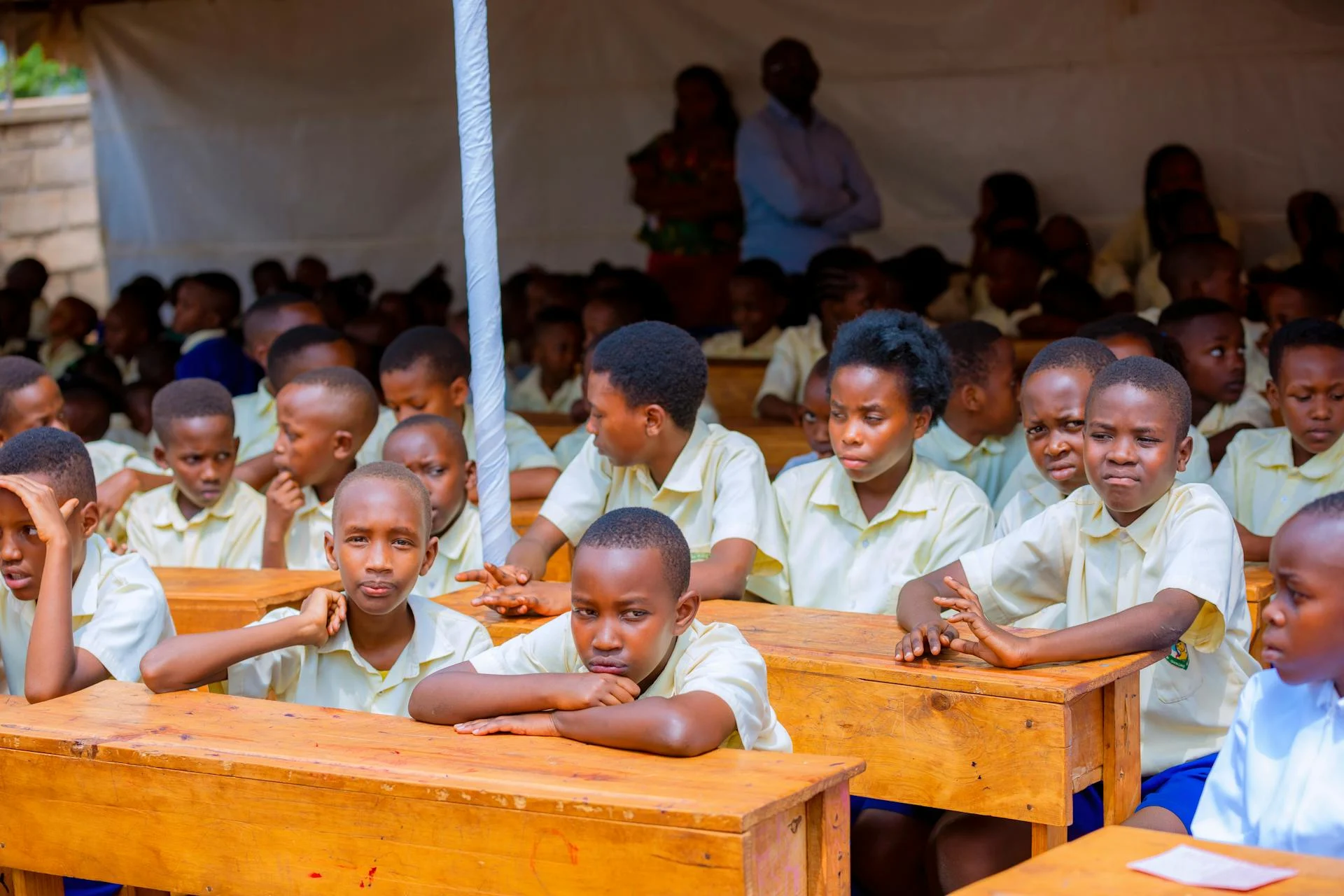
We successfully equipped and opened two Digital Learning Hubs adjacent to existing partner schools in underserved districts. These hubs provide access to computers, reliable solar-powered internet connectivity, and educational software.
Scale of Impact
- 450 students (Primary and Secondary) now have scheduled access to the hubs weekly.
- 40 refurbished computers installed, powered by a new 5kW solar system to overcome local power outages.
- 15 local teachers trained in basic IT skills and integrating digital tools into their curriculum.
- 5 online educational platforms were introduced, focusing on math, science, and English language skills.
Field Experience
The hubs immediately became the focal point of the schools. Previously, concepts like the internet were purely theoretical. Now, students are using online resources for research and are gaining the essential typing and application skills required for future employment.
“The first day a student logged on and saw the capital city’s museum, which she had only read about, the look on her face was pure wonder. This technology opens up the entire world.”
— Mr. Kwame, Hub Coordinator, Eastern Region
2. Girls’ Mentorship and Safety Program Expanded
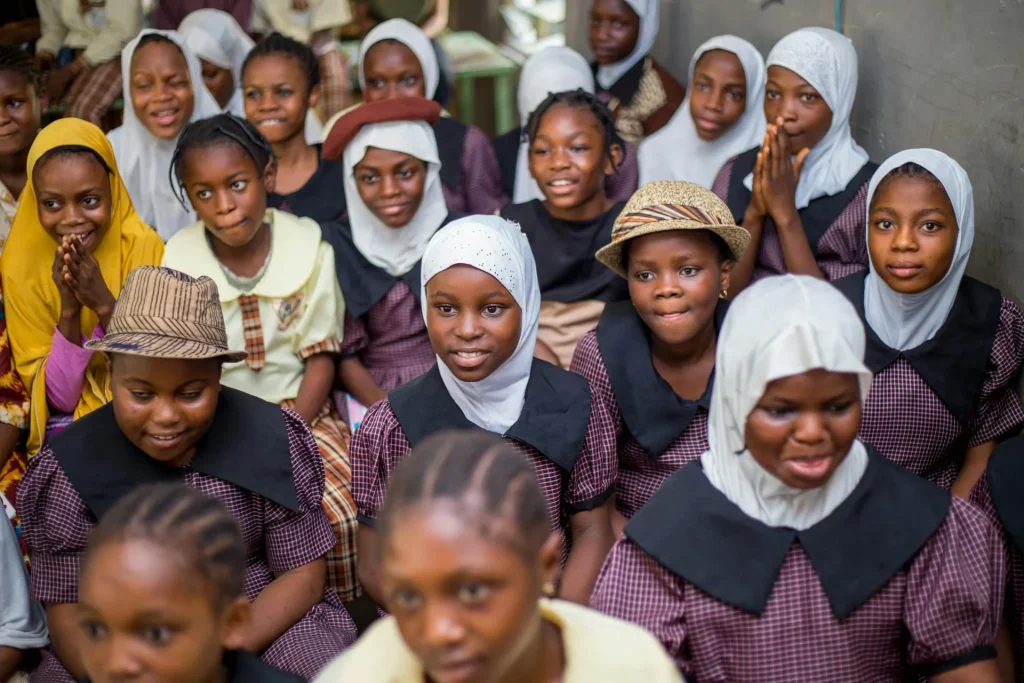
Why Safety and Retention Matter
Girls in crisis-affected areas often drop out due to long travel distances to school, lack of adequate sanitation, and increased risk of Gender-Based Violence (GBV). Our program addresses these barriers holistically.
Program Components
- Safe Pathways Initiative: Provided 250 reflective vests and partnered with local police for increased patrols along common routes to school.
- Mentorship Circles: Launched weekly mentorship sessions pairing 150 adolescent girls with successful female community leaders and professionals (teachers, nurses, businesswomen).
- Sanitation Kits: Distributed 500 sustainable menstrual hygiene kits, accompanied by private education sessions, drastically improving attendance during menstruation.
Success Stories
School attendance data showed a 15% decrease in absenteeism among participating adolescent girls. Awa, a 16-year-old mentee, successfully stood for and won the election for student representative, citing the program for giving her the confidence to lead.
3. Upcoming Projects: Quality and Access
The next phase will focus on scaling the human capacity within the schools:
- Teacher Training Institute (TTI) Partnership: Launching a subsidized program to train and certify 20 youth as qualified primary school teachers for deployment in rural schools.
- Mobile Library Initiative: Establishing a rotating physical and digital library on wheels to serve four highly remote villages currently without any library facilities.
Conclusion: Moving Forward with Commitment and Compassion
By prioritizing digital access and safe learning environments, we are ensuring that economic and geographical barriers do not limit a child’s right to quality education. The commitment of our local trainers and the enthusiasm of the students are the greatest indicators of this program’s success.
Frequently Asked Questions (FAQs)
How are the Digital Hubs maintained given the harsh environment?
We prioritize durability and local skills. The solar systems minimize reliance on the grid. We trained three local youth as maintenance technicians and stocked a small inventory of essential spare parts, ensuring fast, local repairs.
What topics are covered in the Girls’ Mentorship Circles?
Topics are determined by the girls themselves and typically include academic goals, career planning, reproductive health, rights awareness, and confidence building, facilitated in a confidential and supportive setting.
Does the NGO lobby for education policy changes?
Yes. We use the field data and success metrics from our programs (like the improved girl retention rates) to advocate at the district and national level for increased government investment in rural teacher stipends and digital infrastructure.
Want to Support Our Transformative Work?
Help us unlock the potential of the next generation of African leaders and innovators.
| Action | Impact You Create | Action Link |
| Donate | Funds one student’s access to the Digital Hub for a full year. | Donate Now |
| Volunteer | Offer remote skills in curriculum development or coding to our trainers. | Apply to Volunteer |
| Partner with us | Fund the expansion of the Girls’ Mentorship Program into a new school. | Start a Partnership |
| Sponsor a Project | Commit to funding the new Mobile Library Initiative. | Sponsor a Project |
Together, we can build healthier, stronger, and more empowered communities.