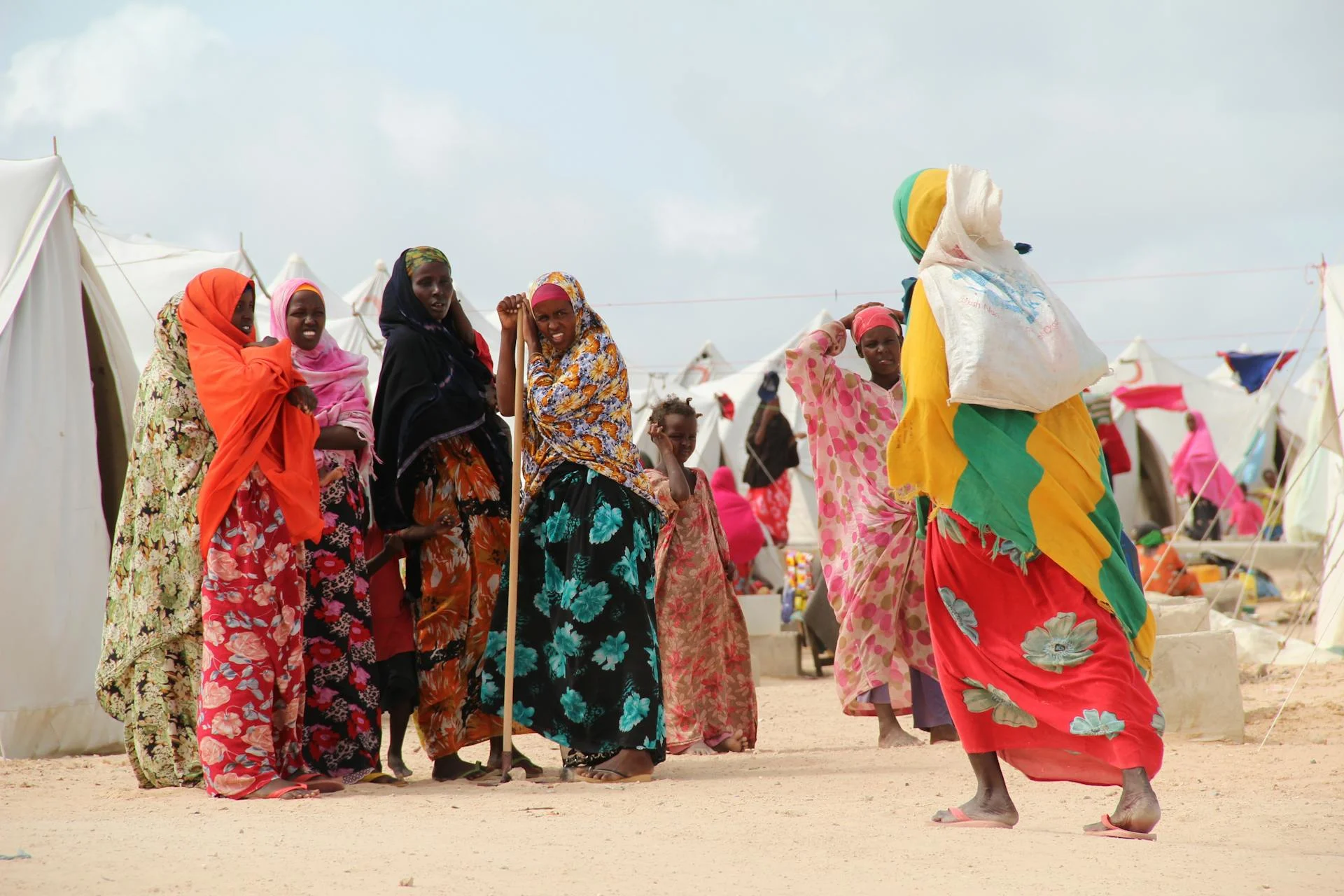
This comprehensive feature provides a detailed analysis of our NGO’s strategic response to the WASH crisis, which is increasingly concentrated in rapidly expanding urban informal settlements and displacement camps. The report details the success of our integrated approach, which combines decentralized water infrastructure (boreholes and filtration systems), community-led total sanitation (CLTS), and innovative waste-to-value initiatives. This 2,000-word analysis showcases our commitment to reducing the catastrophic health burden of waterborne diseases and restoring dignity through sustainable, locally governed WASH services for over 50,000 people.
The Urbanization Tsunami: WASH Crisis at the Periphery
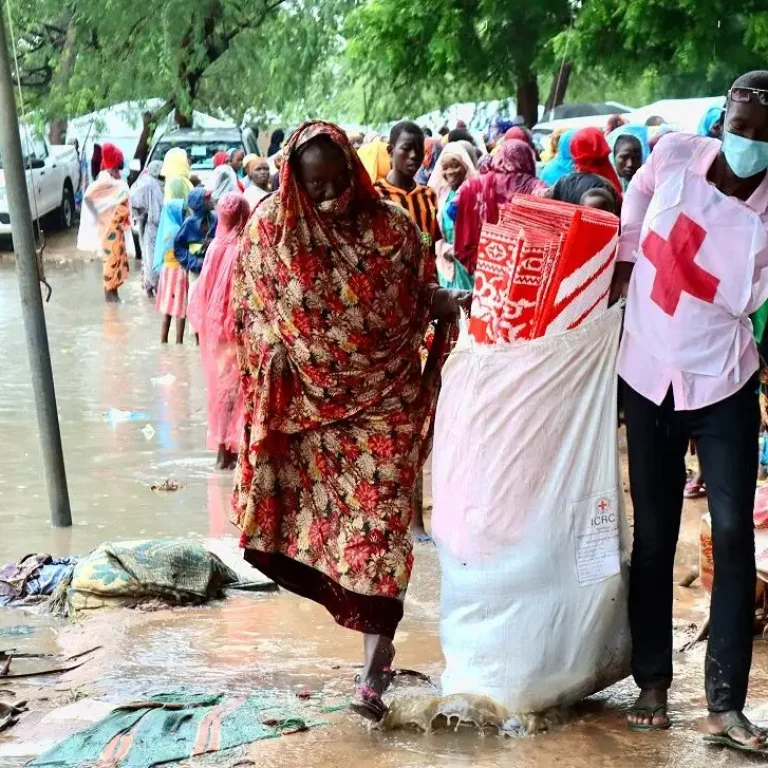
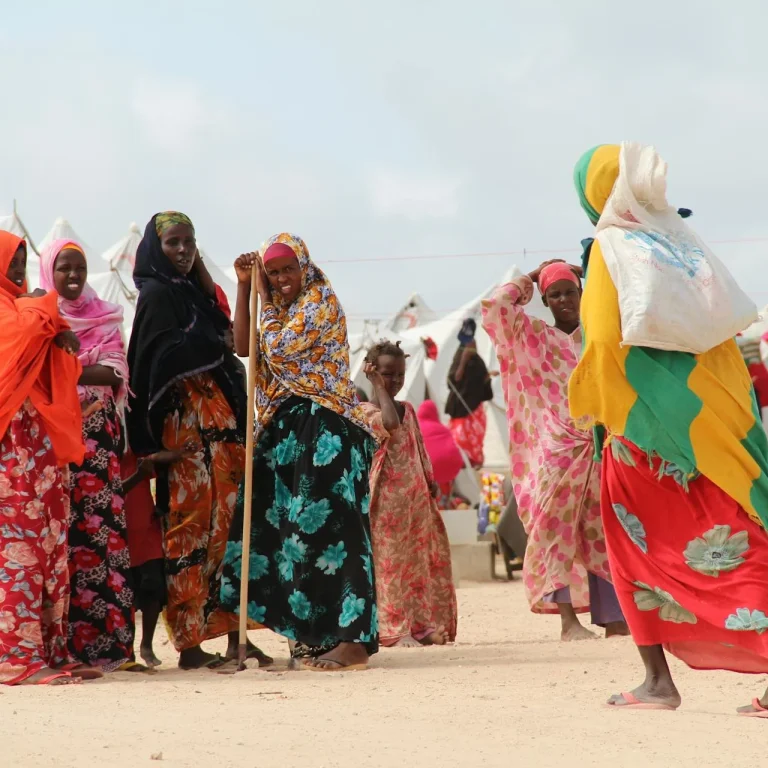
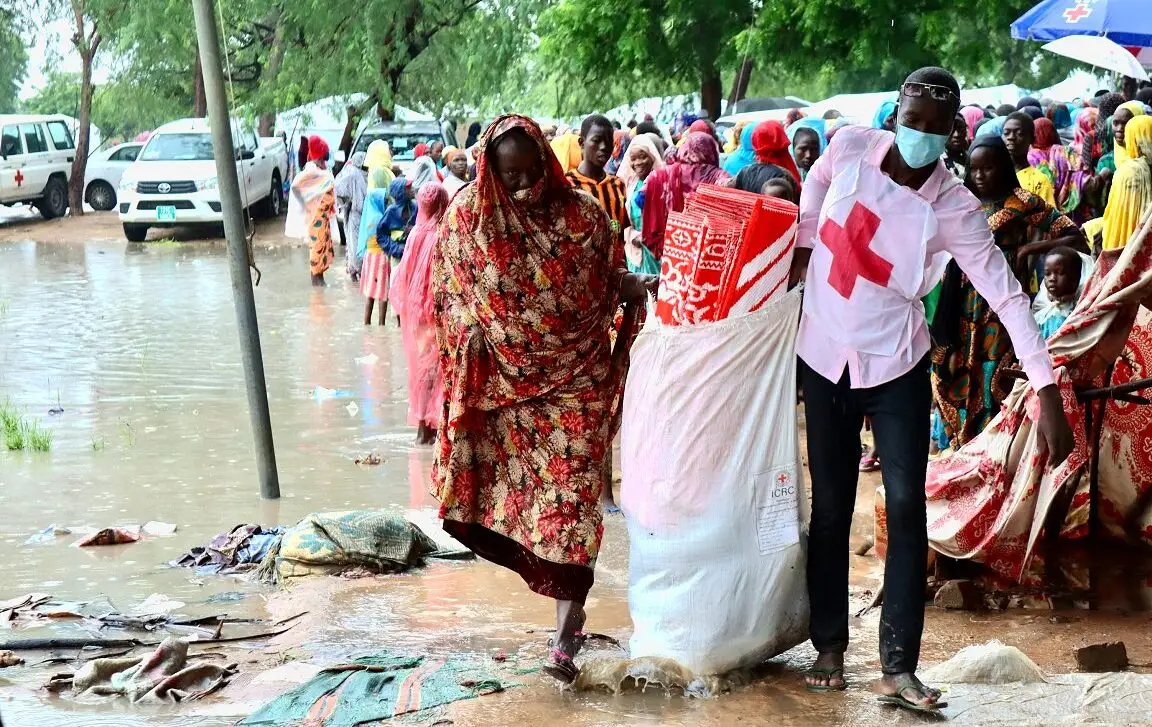
Africa is urbanizing faster than any other continent. However, this growth is not matched by infrastructure development, leading to the explosive growth of informal settlements and peri-urban slums where density is high, and public services are virtually non-existent. These areas, coupled with the ongoing climate displacement from rural crises, form the new epicenter of the WASH emergency. The lack of clean water and sanitation directly leads to chronic outbreaks of cholera, typhoid, and diarrhea, particularly impacting children.
Our organization recognizes that addressing WASH in these complex, dense environments requires moving beyond traditional rural models. The strategy must be integrated, sustainable, and focus intensely on governance and economic viability to succeed where government services have failed.
This extensive report outlines our three foundational pillars of intervention: Sustainable Water Access and Management, Community-Led Sanitation and Hygiene, and Innovative Waste Management and Economic Re-use.
A. Pillar 1: Sustainable Water Access and Management
Reliable access to potable water is the most critical intervention in any high-density setting. Our work focuses on engineering solutions that are robust, climate-resilient, and locally manageable.
1. Decentralized, Solar-Powered Borehole Systems
Tapping into deeper, protected aquifers provides the most reliable source of water, especially during prolonged droughts.
- Implementation & Scale: We successfully commissioned four new high-yield boreholes in four different urban slum clusters, providing water to a collective population of approximately 35,000 people.
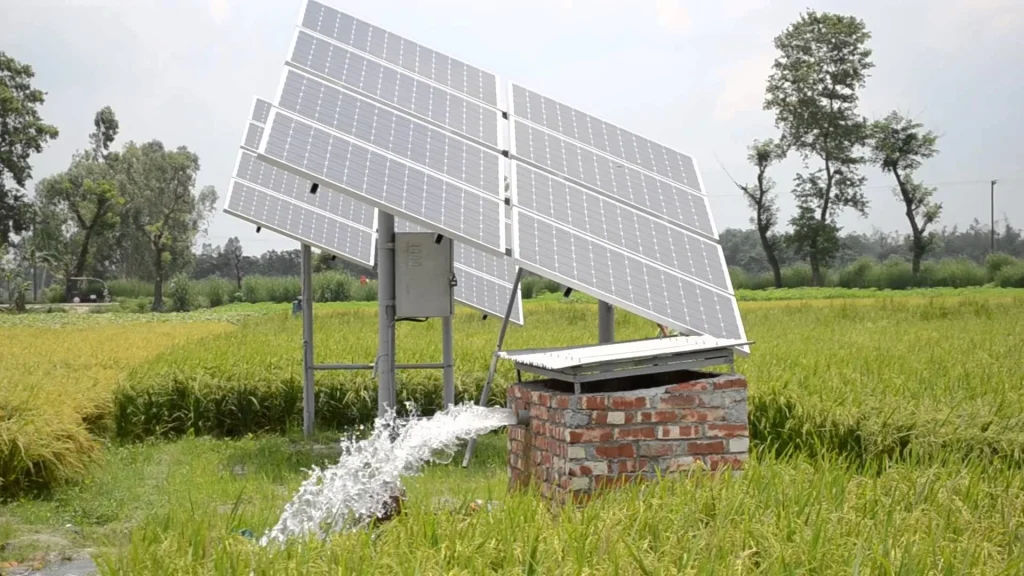
- Technology: Each system utilizes solar-powered submersible pumps, eliminating reliance on volatile national electricity grids and dramatically reducing long-term operational costs and carbon emissions.
- Water Quality Assurance: To guarantee potability, each site has an installed in-line filtration unit and regular testing is conducted using portable water quality kits, ensuring the water meets World Health Organization (WHO) standards.
- Economic Model: Community-Managed Kiosks: To ensure financial sustainability, the water is dispensed via small, community-managed kiosks that charge a small, affordable fee. This revenue directly covers pump maintenance, parts replacement, and the salaries of the local kiosk managers. This has created 12 new, stable local jobs.
2. Water Users Associations (WUAs) and Governance
The technology is only as good as the governance structure behind it.
- Training and Formation: We established and trained four highly functional Water Users Associations (WUAs), composed of elected community members (with a mandatory 60% female representation, as women are the primary water managers).
- WUA Empowerment: These WUAs hold the legal authority and financial control over the borehole systems. They set the tariffs, manage the maintenance fund, and resolve any disputes over water access, effectively transferring ownership and responsibility from the NGO to the community.
- Impact of Ownership: One WUA, after six months of successful operation, was able to generate enough surplus capital to fund the repair of two existing, non-functional public handpumps in a nearby zone, showcasing true self-reliance.
“When we manage the water, it stays clean. When we pay the small fee, the money stays here, and the pump doesn’t break down. This is not aid; this is our service, run by us.”
— Asha, Chairperson of the Kwa-Masi WUA
B. Pillar 2: Community-Led Sanitation and Hygiene (CLTS)
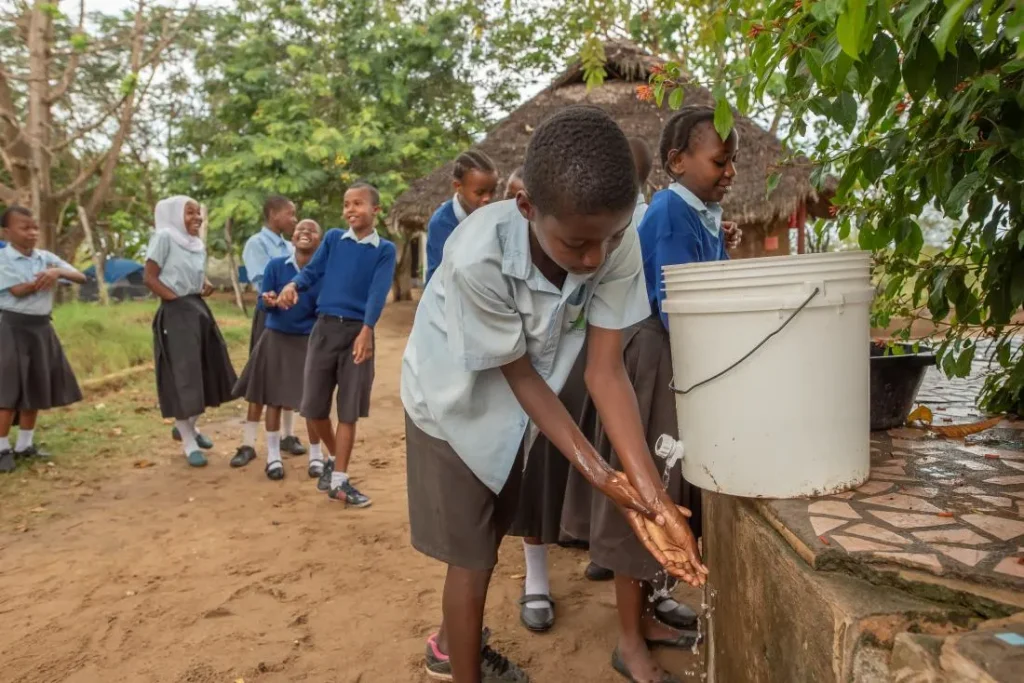
In dense urban environments, improper human waste disposal is the largest driver of disease. Our strategy targets behavior change and infrastructure development simultaneously.
1. The Community-Led Total Sanitation (CLTS) Approach
We utilize the CLTS methodology, which focuses on triggering a community’s own sense of disgust at open defecation, leading them to collectively commit to becoming Open Defecation Free (ODF).
- Triggering Sessions: Facilitated powerful, highly localized “triggering” sessions in 10 slum sub-sections, using local language and visuals to confront the health risks of poor sanitation.
- Local Latrine Construction: Following the commitment, we provided technical guidance and micro-finance advice for the construction of affordable, locally built, and structurally sound latrines. We specifically promoted the construction of ventilated improved pit (VIP) latrines to minimize odor and flies, a major quality-of-life issue in dense areas.
- ODF Status Achievement: Five target areas achieved and were verified with ODF status, a major milestone that dramatically cuts the transmission route for diarrheal diseases.
2. School WASH and Menstrual Hygiene Management (MHM)
Schools are critical vectors for behavior change, and MHM is key to retaining girls in secondary education.
- School Infrastructure: Constructed new, segregated latrine blocks at three primary schools, including specific washrooms equipped for MHM.
- MHM Training: Conducted comprehensive, private training sessions for 700 adolescent girls and their female teachers on menstrual health, puberty, and proper use of reusable sanitary pads (which we provided).
- Teacher Feedback: Teachers reported an immediate 25% decrease in school-day absenteeism among secondary school girls during their menstrual cycle, directly linking improved WASH facilities to educational equity.
C. Pillar 3: Innovative Waste Management and Economic Re-use
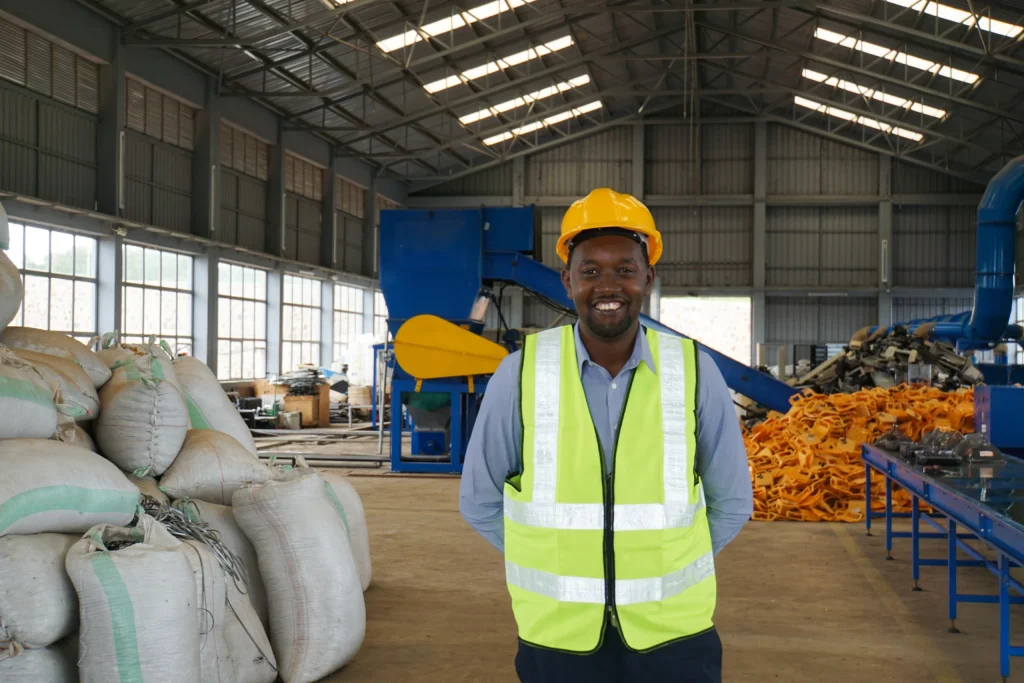
In high-density slums, piles of solid waste create breeding grounds for pests and contribute to seasonal flooding by blocking drainage. Our solution integrates waste removal with local economic opportunity.
1. Waste-to-Value Cooperatives
Turning waste collection into an income-generating activity creates motivation and sustainability.
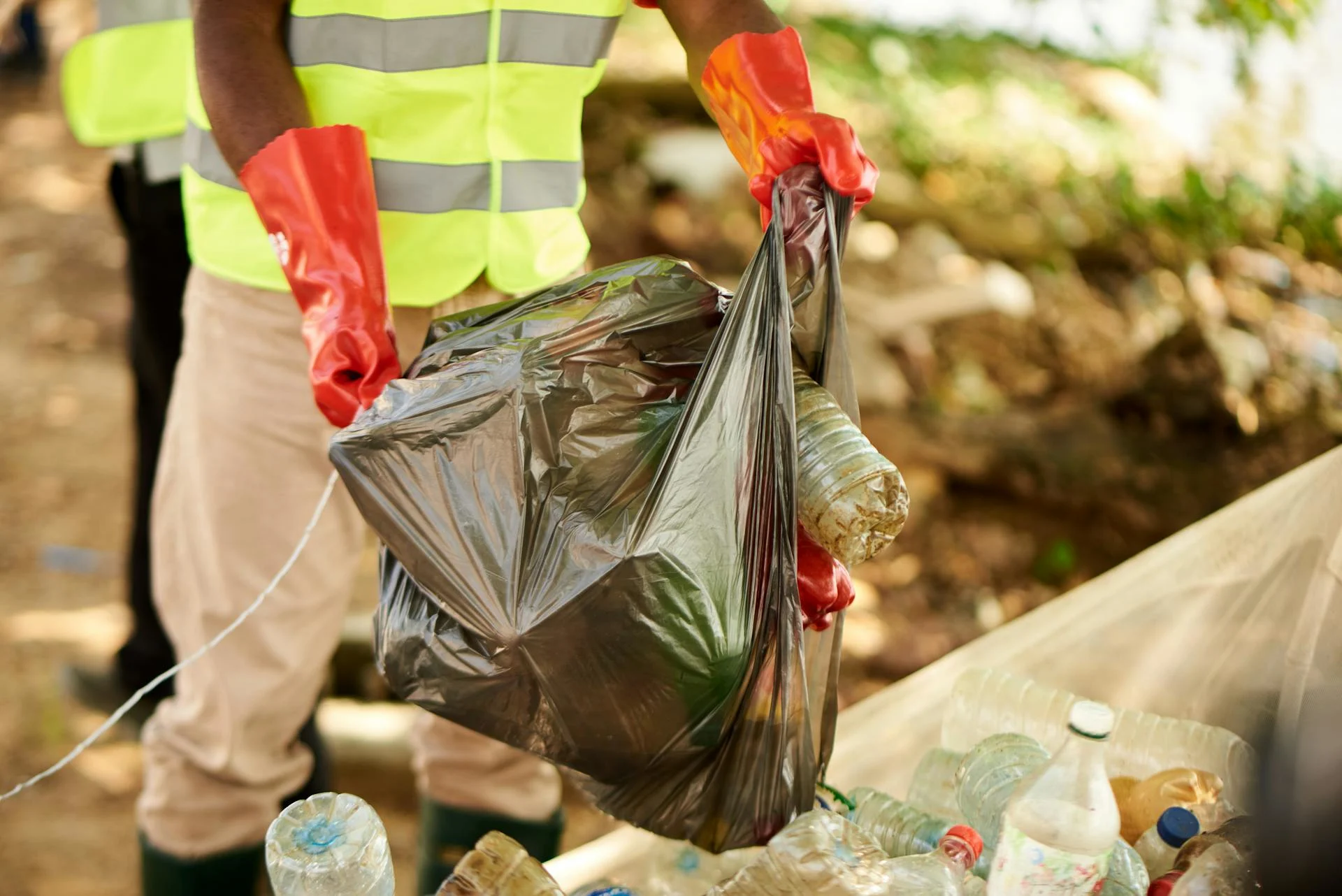
- Cooperative Formation: Established three Youth Waste Management Cooperatives, training 45 unemployed young people in waste segregation, safety, and basic entrepreneurship.
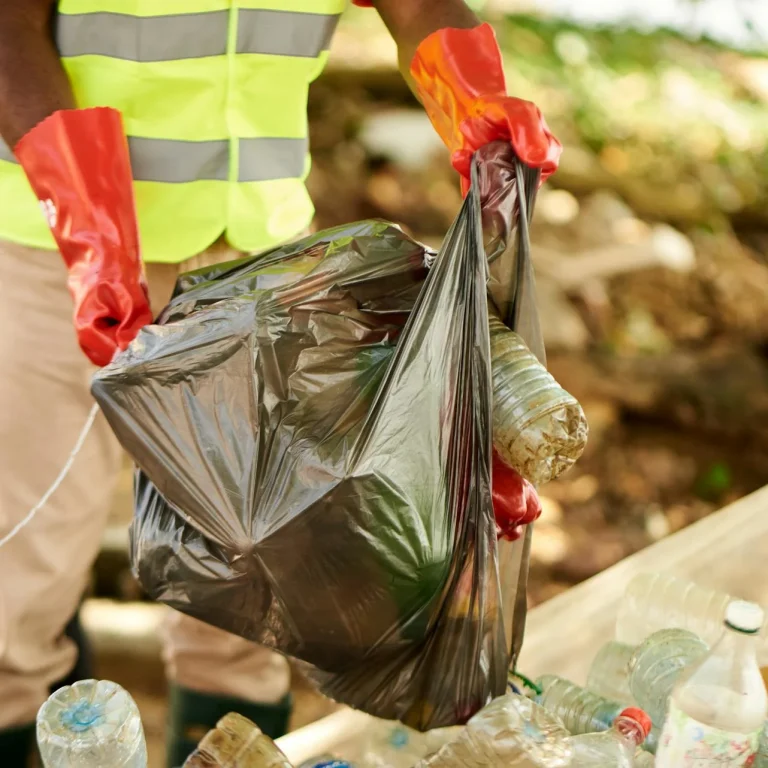
- Waste Processing: The cooperatives collect segregated plastic and organic waste door-to-door. The organic waste is processed into high-quality compost for urban peri-agriculture projects. The plastic waste is cleaned, baled, and sold directly to regional recycling firms.
- Economic Success: The cooperatives generated over $4,000 USD in revenue in the first quarter from selling recyclables and compost, making them financially independent and self-sustaining.
- Environmental Impact: This system led to the removal of over 150 metric tons of unmanaged solid waste from the slum environment, significantly reducing disease vectors and reducing flood risk.
“My hands used to be idle. Now, they collect waste that was making us sick, and turn it into money that feeds my family. I am an entrepreneur now, not a problem.”
— Daniel, Co-op Member and Youth Leader
2. Drainage and Flood Mitigation
Solid waste and poor drainage are often interconnected, particularly in low-lying slum areas.
- Community Clean-Up Drives: Organized five major community clean-up drives focused on clearing blocked storm drains and streams, reducing localized flooding during heavy rains.
- Technical Support: Provided technical guidance to communities on lining vulnerable drainage canals with locally sourced materials (e.g., stone, concrete) to prevent erosion and further blockages.
D. Conclusion and Future Trajectory
The WASH challenge in urban and displaced settings is vast, but our integrated strategy—combining climate-resilient engineering, strong local governance, and waste-to-wealth economic models—is proving highly effective. By focusing on dignity and economic sustainability, we are not just installing pipes and building latrines; we are investing in a future where urban poor populations are healthy, productive, and independent of aid.
Our commitment moving forward is to scale the Waste-to-Value Cooperative model to five new districts and integrate digital monitoring tools to track water quality and consumption trends in real-time, further enhancing our data-driven approach to service delivery.
Frequently Asked Questions (FAQs)
How do you handle the environmental impact of latrine waste (sludge) in dense areas?
We promote technology that minimizes impact, such as VIP latrines which safely contain waste. Crucially, we are now piloting a partnership with a private sanitation company to establish a centralized fecal sludge dewatering and treatment site, ensuring the safe and professional disposal or re-use (e.g., as fertilizer) of collected sludge, closing the sanitation loop safely.
Why charge for water if your organization is an NGO?
Charging a small, locally affordable tariff is essential for sustainability and ownership. Free water systems inevitably fail because there is no mechanism or incentive to pay for maintenance, electricity, or eventual pump replacement. The fee ensures the system belongs to the community and can run indefinitely without foreign subsidy.
What safety measures are in place for the Waste Management Cooperatives?
Safety is paramount. All members receive high-quality Personal Protective Equipment (PPE), including heavy-duty gloves, boots, and masks. They are also provided with training on basic first aid, safe handling of sharps, and hygiene protocols to prevent infection.
Want to Support Our Transformative Work?
Help us secure health, dignity, and a cleaner future for families living in urban settlements.
| Action | Impact You Create | Action Link |
| Donate | Funds the purchase of essential PPE and tools for one Waste Management Cooperative. | Donate Now |
| Volunteer | Offer remote expertise in urban planning, water engineering, or financial auditing for WUAs. | Apply to Volunteer |
| Partner with us | Fund the materials and construction of a new, accessible public sanitation block. | Start a Partnership |
| Sponsor a Project | Commit to funding the new pilot program for the centralized Fecal Sludge Treatment Site. | Sponsor a Project |
Together, we can build healthier, stronger, and more empowered communities.