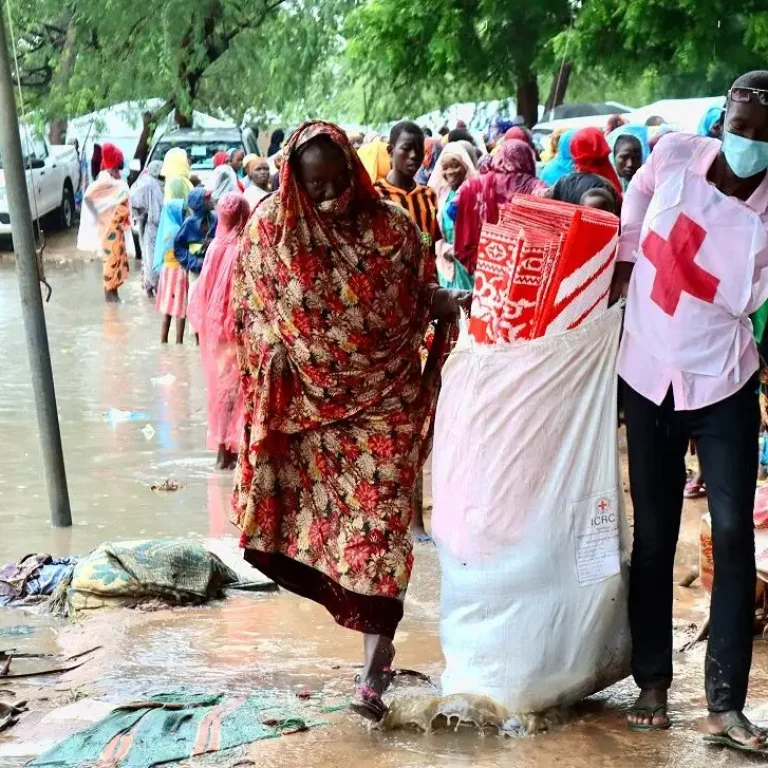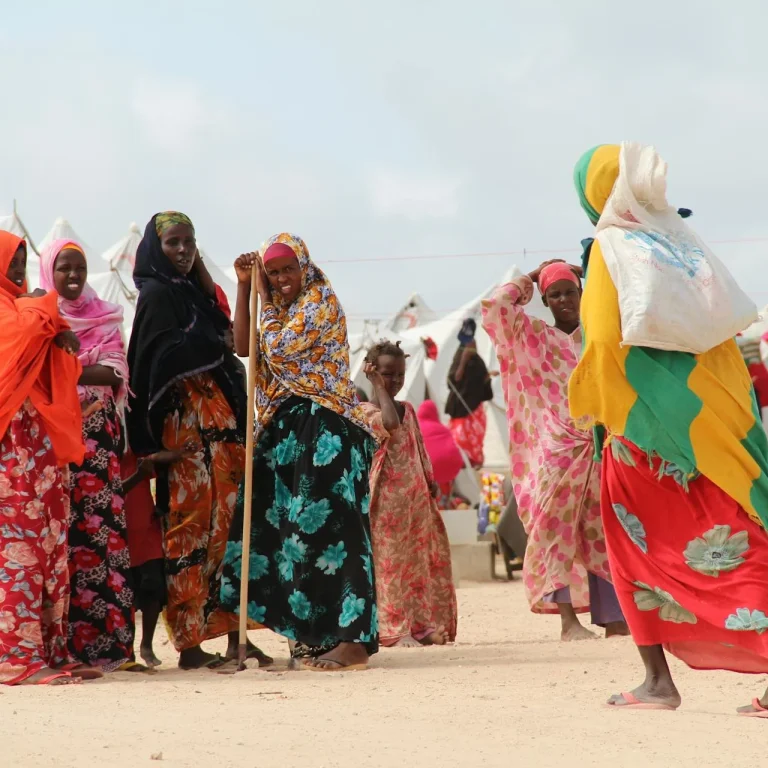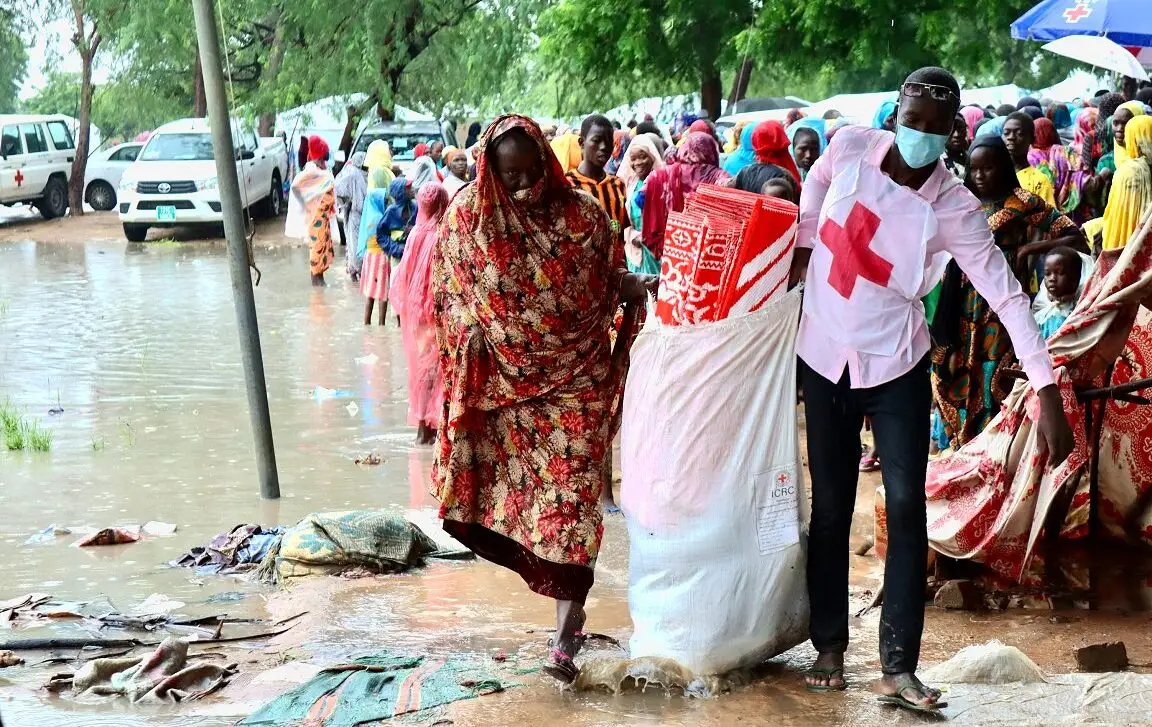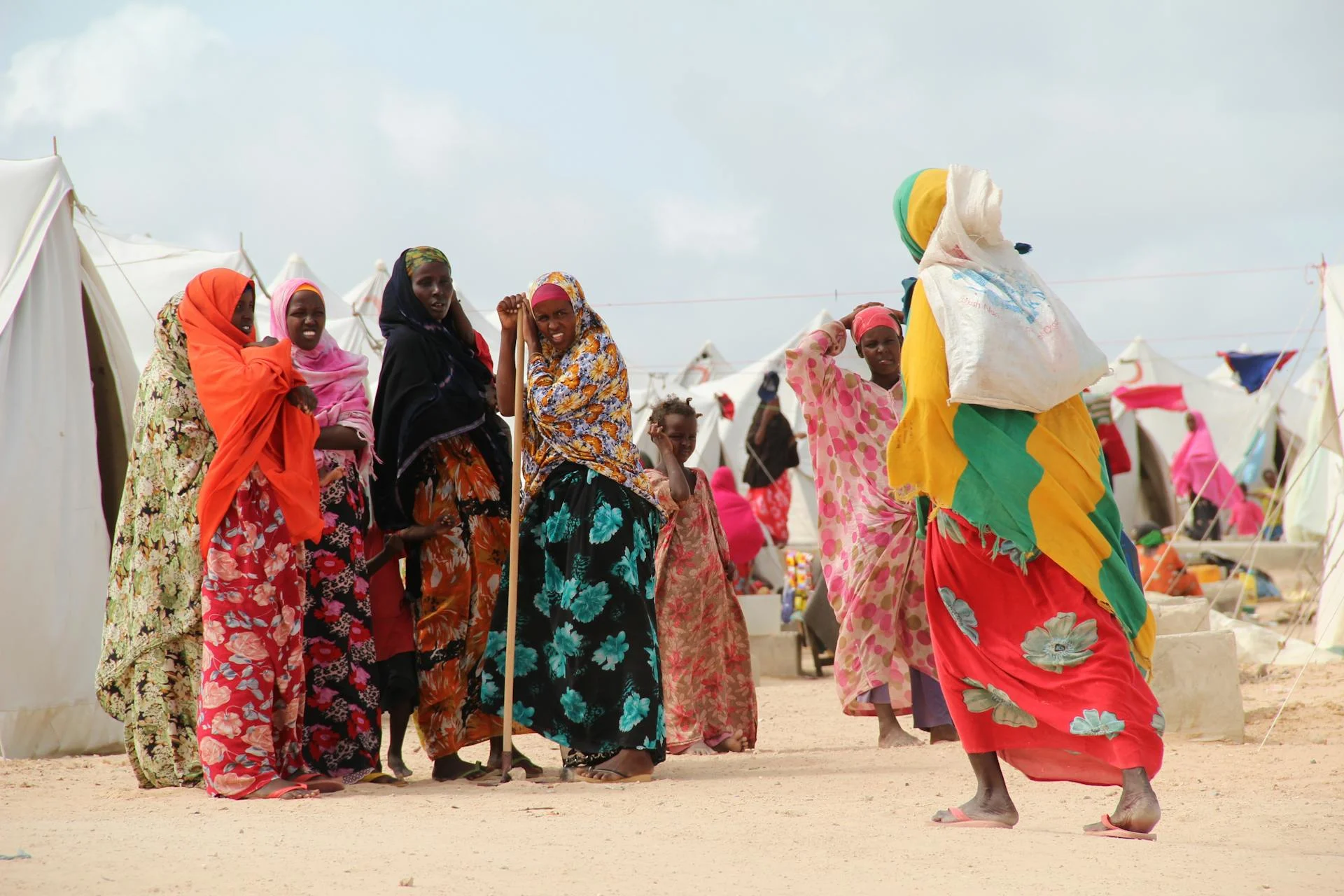
Across the region, political instability and environmental degradation continue to drive large-scale displacement, creating immense pressure on resource-strained host communities. Our work focuses strategically on ensuring that refugees and internally displaced persons (IDPs) receive not just immediate relief, but the tools and social connections needed for long-term integration and self-reliance. This quarter’s efforts centered on securing legal identity documentation, providing transitional shelter, and fostering economic ties between displaced and host populations.
Introduction: Self-Reliance as the Goal
The distinction between “refugee” and “host” often dissolves over time. Our programs are designed to benefit both groups, recognizing that stable communities are built through shared resources and mutual economic growth, not segregation.
1. Legal Identity and Rights Protection
Overview
Lack of legal documentation prevents displaced persons from accessing formal education, healthcare, and employment. Our legal aid initiative tackles this fundamental barrier to protection and dignity.
Scale of Impact
- 420 displaced individuals received legal counseling and assistance with documentation applications (birth certificates, refugee cards, and national IDs for IDPs).
- 65 successful applications for formal legal recognition completed this quarter.
- 10 paralegal community volunteers trained to manage initial intake and information dissemination within camps.
Field Experience
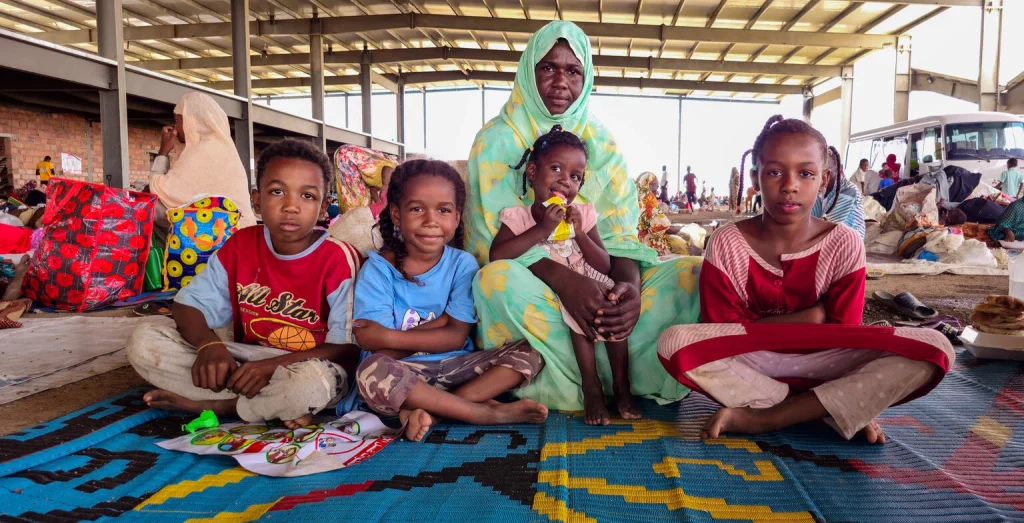
The official refugee card acts as a passport to opportunity. For Khadija, a mother of four who fled conflict two years ago, securing her refugee card finally allowed her to enroll in the government’s subsidized business loan program.
“Without this paper, I was nobody. Now, I am a recognized person, and I can officially work and plan for my children’s future.”
— Khadija, Refugee and New Business Owner
2. Transitional Shelter and Infrastructure
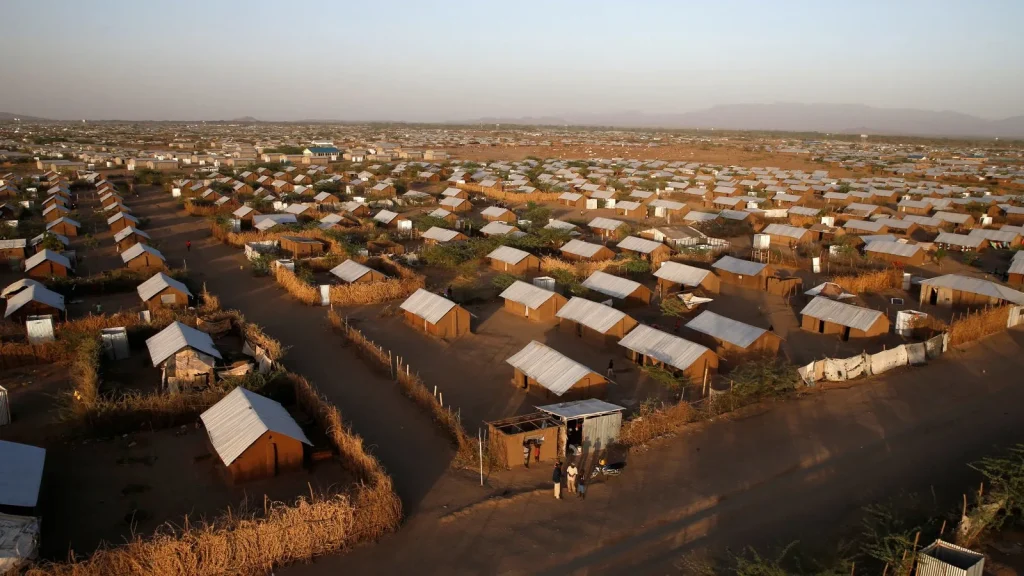
Why Sustainable Shelters Matter
Overcrowded, temporary shelters pose major health and protection risks. Our focus is on providing durable, transitional homes that can last for several years, using locally sourced materials.
Program Components
- 30 transitional family shelters constructed using stabilized earth blocks and corrugated iron sheeting, offering better thermal comfort and security than tents.
- Trained 50 host community members in construction and masonry, employing them directly on the build projects.
- Site Planning: Worked with local authorities to ensure new settlements included planned access to water points and sanitation blocks.
3. Livelihood Integration and Host-Refugee Cooperation
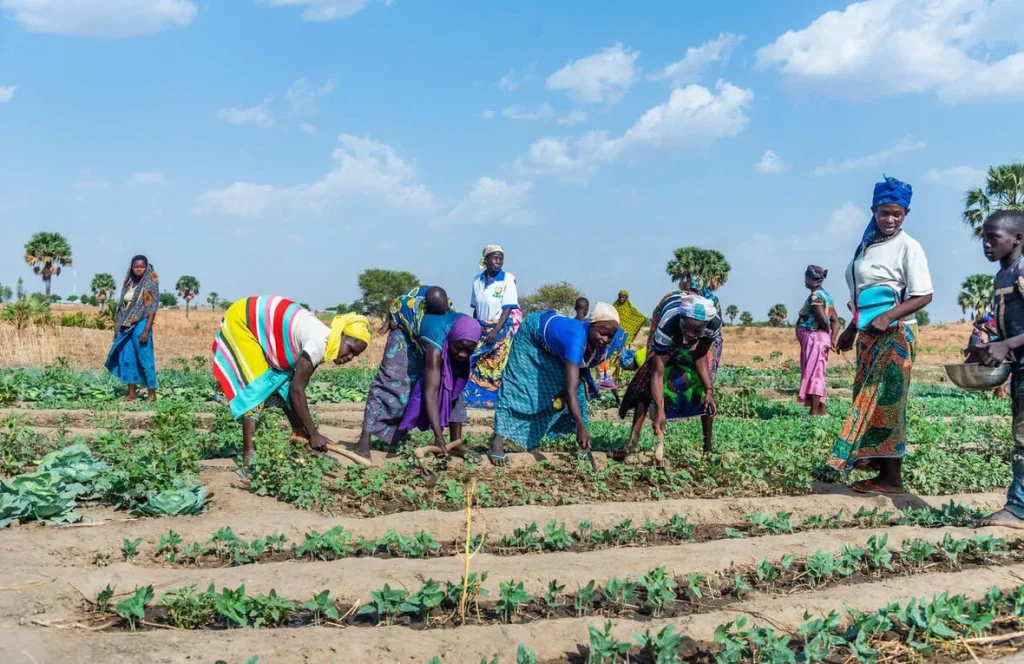
Economic Linkages
True integration happens when economic interests align. Our vocational training deliberately mixes refugee and host community members.
- Joint Vocational Training: Enrolled 150 youth (50% host, 50% refugee) in skills training for high-demand local trades like welding, plumbing, and tailoring.
- Cooperative Launch: Facilitated the formation of three joint-member producer cooperatives, ensuring profits and economic benefits are shared across both communities.
- Seed Funding: Provided joint groups with essential toolkits and micro-grants to establish their businesses immediately after training.
Impact on Social Cohesion
The shared economic activity has demonstrably reduced tension between the displaced and the host population, transforming narratives of competition into stories of collaboration.
4. Upcoming Projects: Health and Mental Wellness
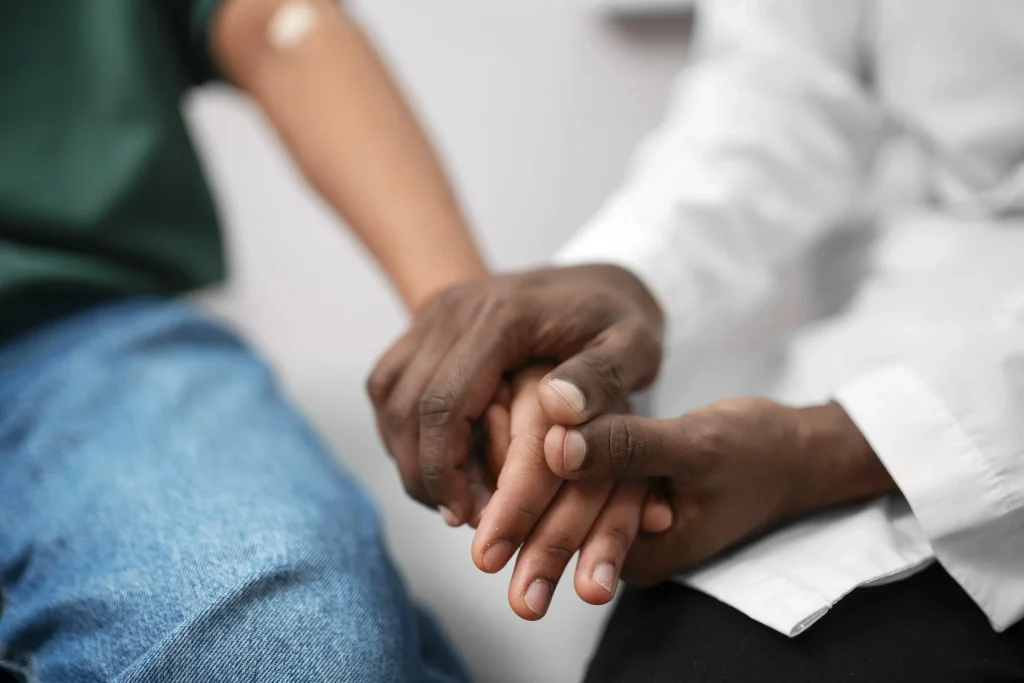
The next phase will focus on holistic wellness in high-density camp settings:
- Mental Health Support: Launching a specialized program in partnership with local psychologists to address trauma and mental health needs among refugees and staff.
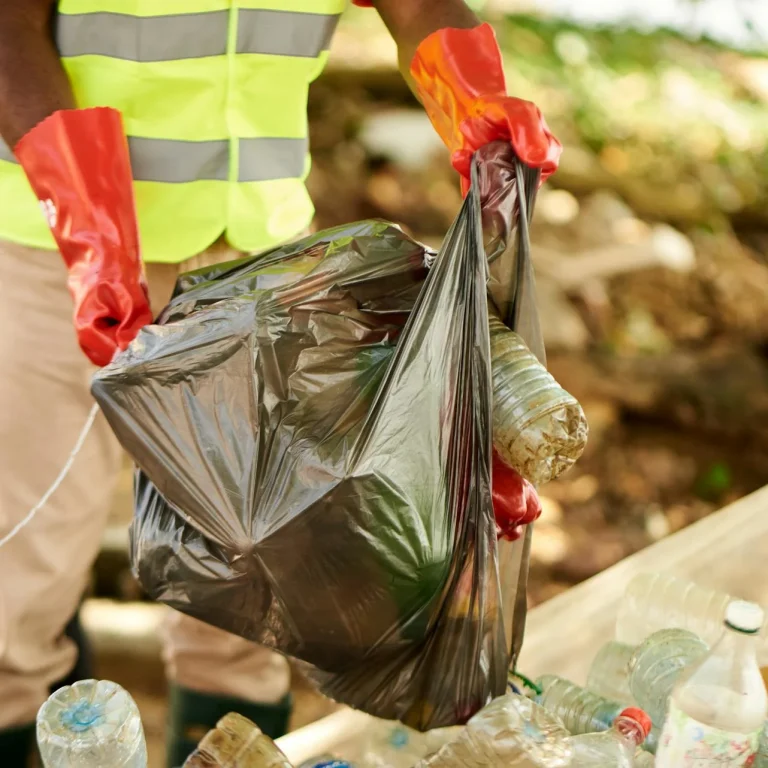
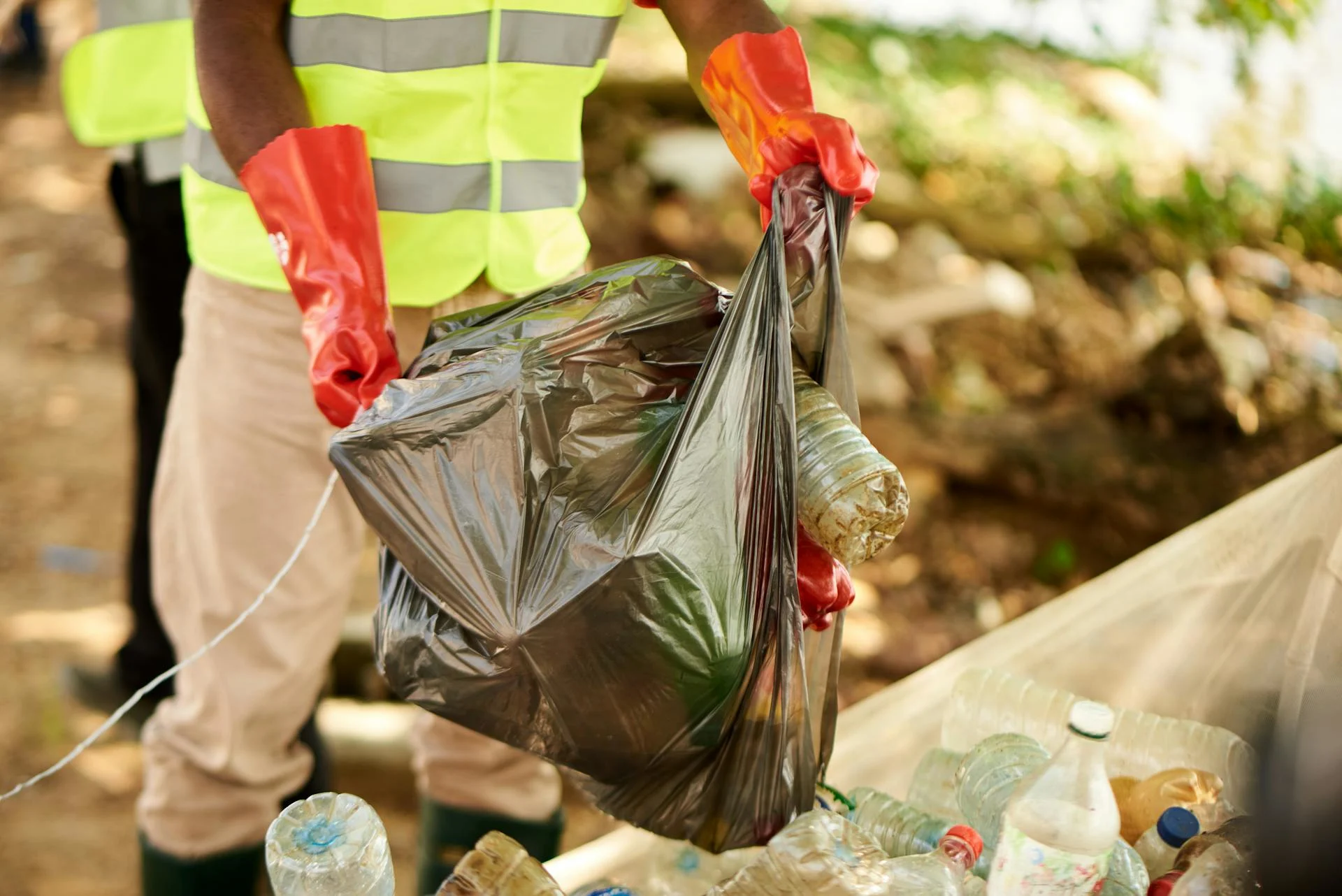
- Camp Waste Management: Establishing a sustainable, community-managed waste collection system within the largest IDP camp to improve sanitation and disease prevention.
Conclusion: Moving Forward with Commitment and Compassion
Our strategy for refugees and IDPs is rooted in human rights and self-determination. By prioritizing legal identity, safe shelter, and shared economic opportunity, we are helping families move beyond survival toward a dignified, stable, and self-reliant life.
Frequently Asked Questions (FAQs)
How do you ensure your assistance does not create dependency?
We prioritize cash transfers over in-kind food aid where markets are functional, giving families dignity and choice. All livelihood programs are structured around market-demand skills and self-capitalizing models (like cooperatives), emphasizing entrepreneurship over employment.
Does supporting refugees strain the host community?
That is a major risk we actively mitigate. Our programs are designed to inject capital and improve infrastructure that benefits both groups. For example, the new shelters employ host members, and the joint vocational training increases the overall skill base and economic activity for the entire area.
What specific legal challenges do IDPs face?
IDPs often struggle to retrieve property documents or land titles left behind, making it hard to prove ownership or claim restitution. We assist with these complex property law and inheritance cases to ensure long-term stability.
Want to Support Our Transformative Work?
Help us transition displaced families from vulnerability to self-reliance.
| Action | Impact You Create | Action Link |
| Donate | Funds the training and toolkit for one refugee/host youth in vocational skills. | Donate Now |
| Volunteer | Offer remote expertise in trauma counseling or legal aid documentation. | Apply to Volunteer |
| Partner with us | Fund the materials for one new transitional family shelter. | Start a Partnership |
| Sponsor a Project | Commit to funding the new Mental Health Support program for one camp. | Sponsor a Project |
Together, we can build healthier, stronger, and more empowered communities.