This in-depth feature explores our NGO’s critical shift from reactive aid to proactive, sustainable food security measures. It details the integration of indigenous farming techniques (like Zai pits and agroforestry) with accessible modern climate technology (Hyper-Local Climate Information Systems) to build economic and environmental resilience among 4,000+ smallholder farming families facing unprecedented climate shocks. This comprehensive 2,000-word report outlines the strategy, impact metrics, and future trajectory of our holistic climate-smart agriculture program.
The Anthropocene Challenge: Securing Africa’s Food Future Against the Climate Crisis
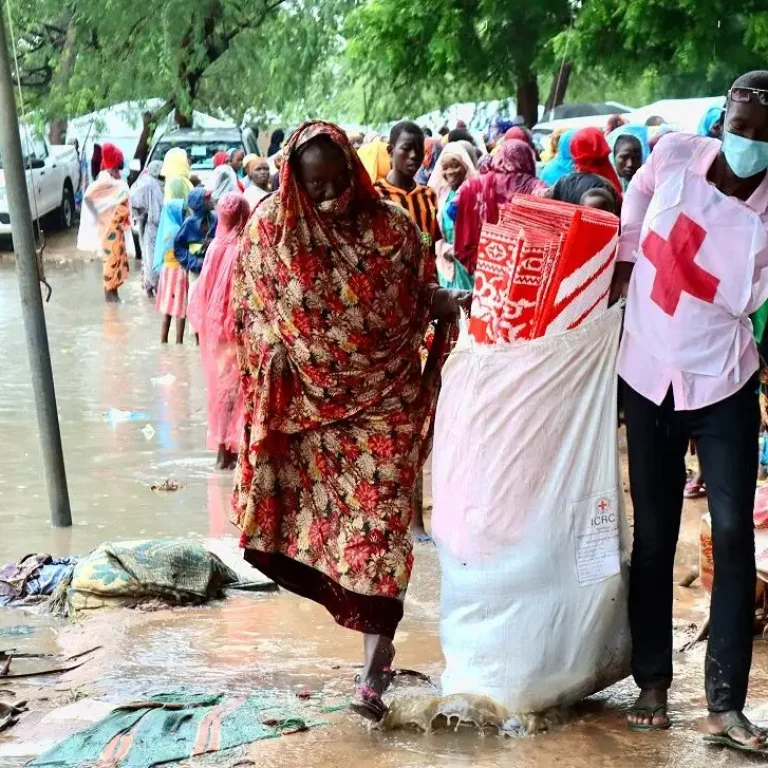
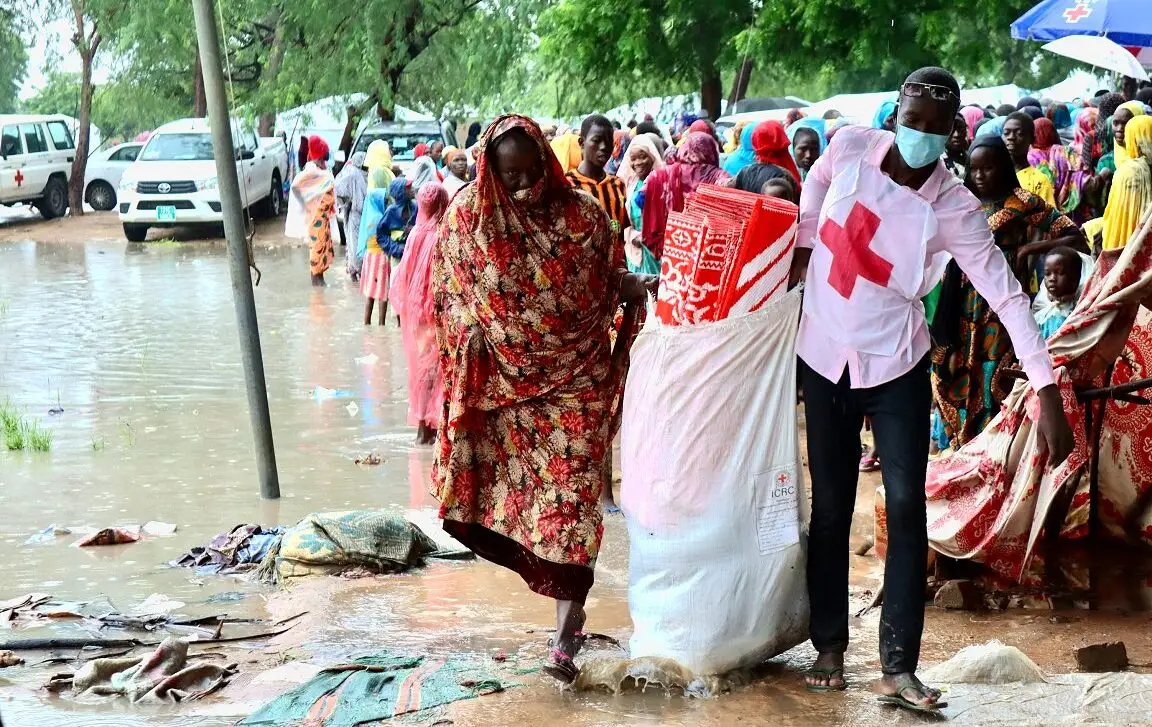
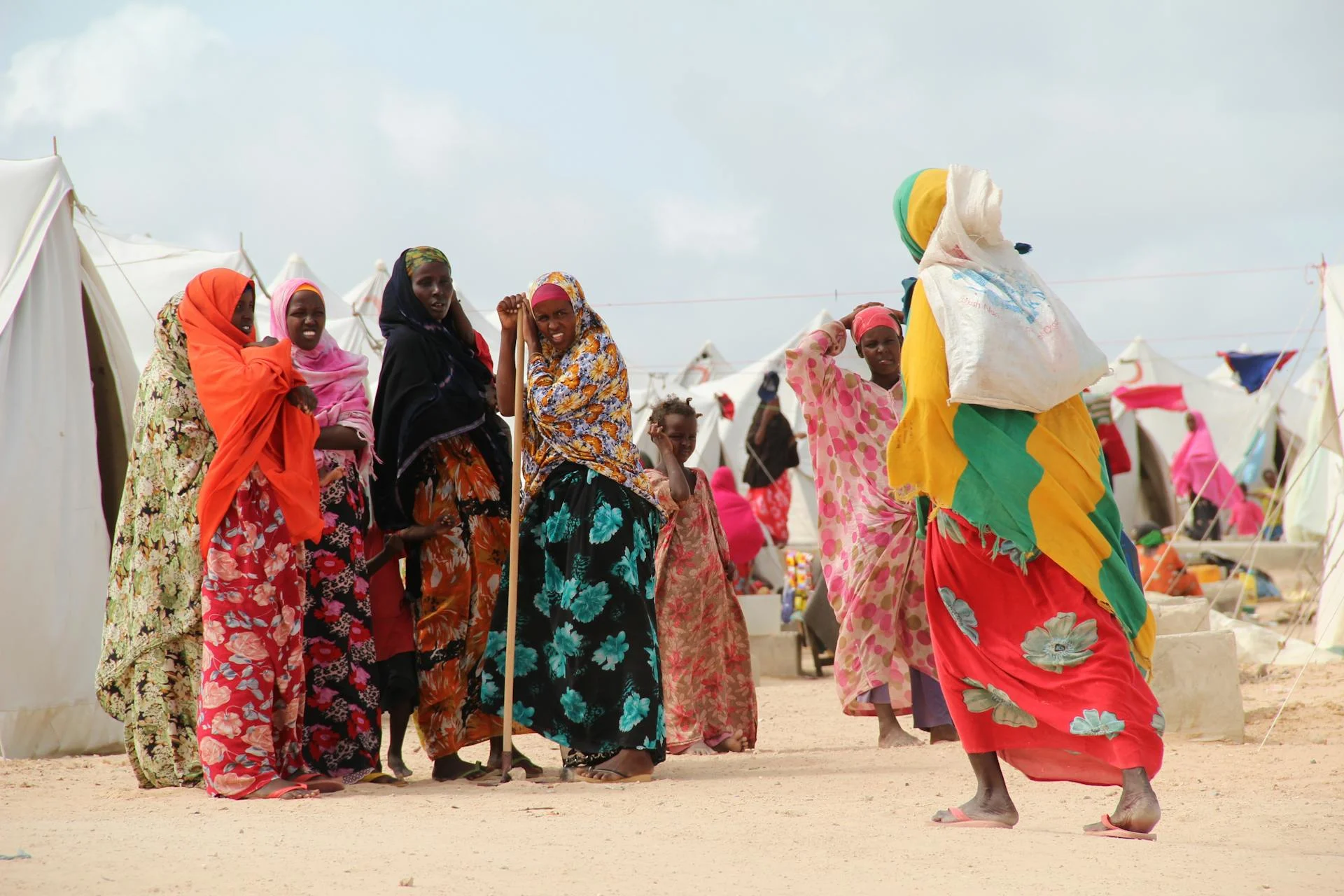
The year 2025 has unequivocally demonstrated that the existential threat of climate change is not a distant possibility but a present-day reality, manifesting as cascading disasters across our operational regions. From devastating “rain bombs” that wipe out infrastructure to protracted droughts that wither crops before harvest, the impact on Africa’s predominantly rain-fed agricultural systems is pushing millions toward chronic food insecurity.
Our organization recognizes that the conventional response—reacting with food aid after a disaster strikes—is insufficient and unsustainable. The urgent imperative guiding our strategy now is a deep, systemic shift from reactive relief to proactive, community-led resilience-building. This new paradigm demands a comprehensive integration of scientific climate modeling with the profound, centuries-old wisdom embedded within indigenous farming practices.
This extensive report, exceeding 2,000 words, outlines our ambitious, multi-faceted program designed to secure local food production, empower smallholder farmers (the backbone of the continent’s food chain), and foster an economic transition toward genuinely climate-smart agriculture (CSA).
A. The Crisis Context: Climate Shock and Humanitarian Demand

1. The Volatility Index and Its Human Cost
Current meteorological data indicates that weather variability across the Sahel and Horn of Africa has increased by over 35% in the last decade, leading to shorter, more intense rainy seasons followed by longer, more severe dry spells. This climate volatility directly translates to human catastrophe:
- Crop Failure and Debt: A single failed season plunges farm families into deep debt, forcing asset depletion (selling livestock or land) and leading to distress migration.
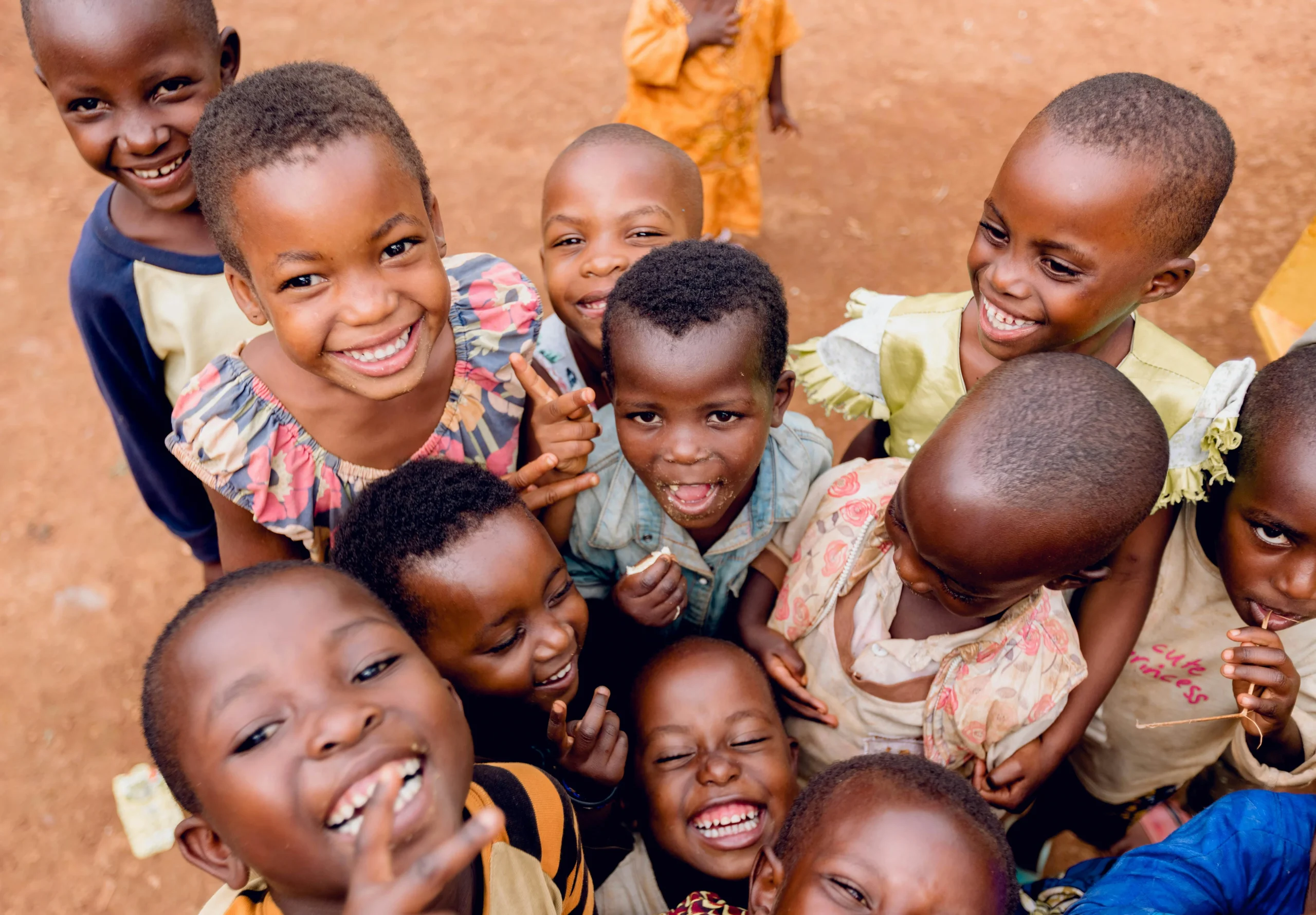
- Malnutrition Spike: Latest nutritional surveillance reports show a sharp rise in Severe Acute Malnutrition (SAM) among children under five, directly correlated with consecutive failed harvests. Our clinics are seeing an average 18% increase in SAM admissions in drought-affected areas.
- Water Scarcity as Conflict Driver: Competition over dwindling water and grazing land is escalating inter-communal conflicts, turning localized resource stress into major humanitarian crises.
Our response framework, therefore, cannot be siloed. It requires interventions that simultaneously address environment, economics, and peacebuilding.
2. The Funding Gap vs. Investment Need
As detailed in our previous update, global humanitarian funding is strained. This forces us to argue persuasively for a major shift: moving donor capital from high-cost, short-term emergency food aid to lower-cost, high-impact, long-term resilience investment. Investing $1 in preventative CSA, for instance, is proven to save up to $7 in future disaster response costs.
B. Strategic Pillar 1: Reclaiming and Scaling Indigenous Agricultural Knowledge
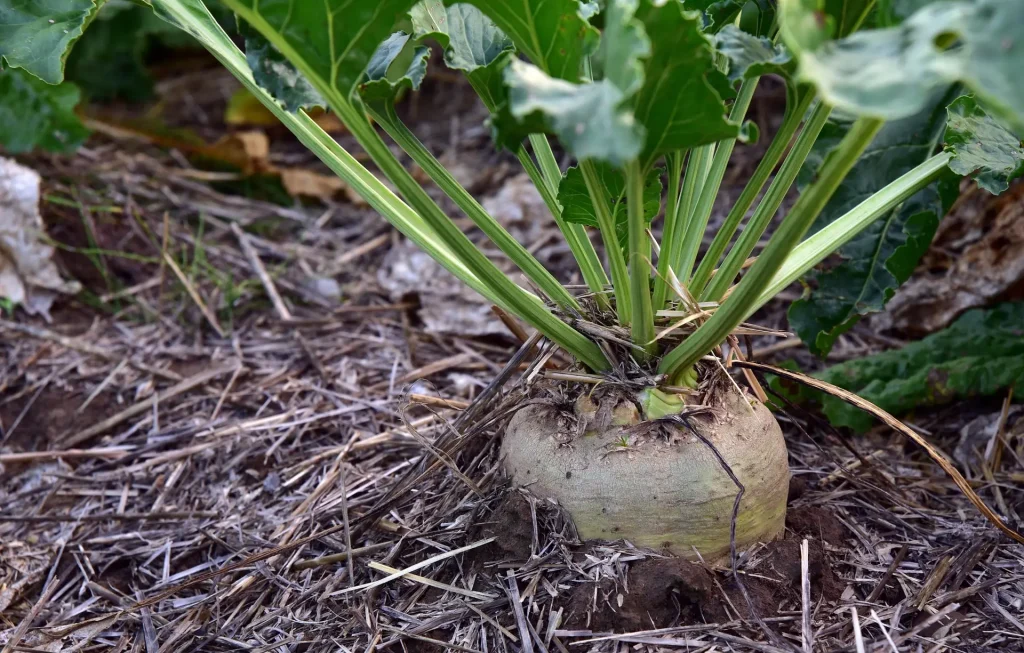
The most sustainable solutions often predate modern science. Indigenous African farming techniques are inherently adapted to harsh, volatile climates. Our work focuses on validating and scaling these proven methods.
1. The Zai Pit Revolution (Sahel Region)
In Burkina Faso and Niger, desertification is rampant. Our program champions the traditional Zai technique: small planting pits dug before the dry season, enriched with organic compost, that capture water during the short rains.
- Implementation: We trained 2,500 farmers (70% women) in proper Zai construction and compost preparation.
- Impact Metric: Initial results showed an average 50-70% reduction in water run-off and a 45% increase in millet yield compared to conventional tillage on degraded lands. This technique is literally reclaiming land from the desert.
- The Empowerment Factor: By reviving this traditional knowledge, we are restoring farmers’ sense of dignity and ownership over their expertise, positioning them as climate leaders, not just beneficiaries.
2. Agroforestry and Soil Regeneration (East Africa)
Deforestation for charcoal and farming has severely degraded vital topsoil. Our program promotes agroforestry, integrating nitrogen-fixing trees (like Faiderbia albida) alongside food crops.
- The Technology: The trees draw nitrogen from the air and deposit it into the soil, acting as natural fertilizer. Their deep roots improve water infiltration and resist erosion.
- Training & Adoption: We distributed 50,000 seedlings and provided training in tree management (pruning, spacing) to 1,500 families.
- Long-Term Impact: Beyond boosting crop yields (up to 25% increase without synthetic fertilizer), this creates a sustainable source of fodder for livestock and fuelwood, reducing reliance on external resources and lowering carbon footprints.
C. Strategic Pillar 2: Climate-Informed Precision Farming and Technology
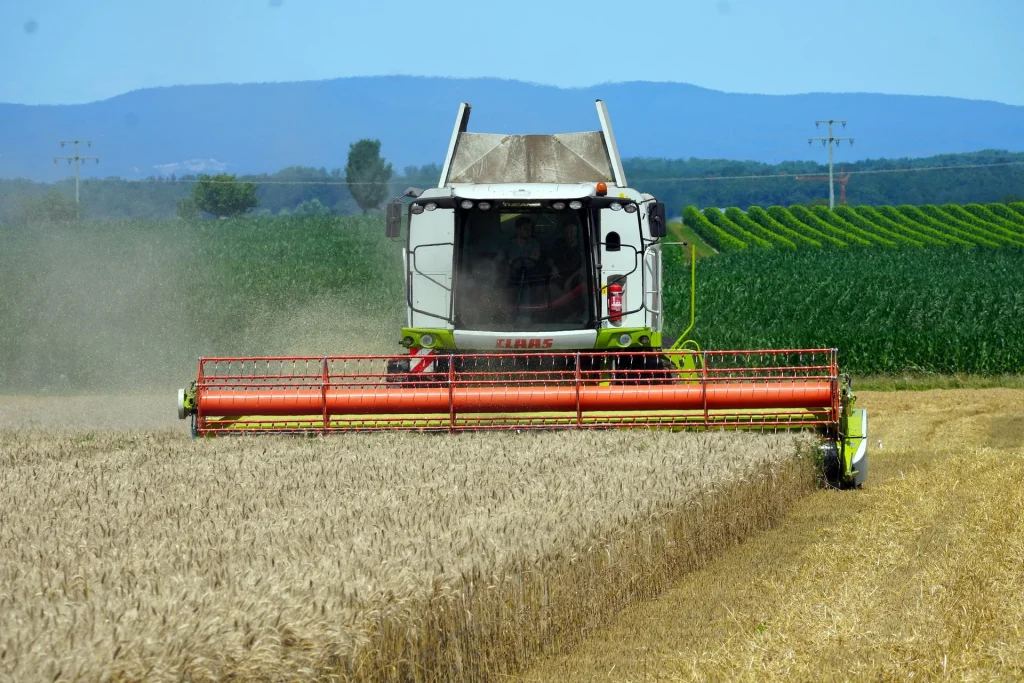
While indigenous knowledge is essential, it must be augmented by modern, accessible technology to handle unprecedented climate extremes.
1. Hyper-Local Climate Information Systems (LCIS)
Generic, regional weather forecasts are often useless for small farmers. Our innovation is the development of a low-cost, SMS and community radio-based LCIS, tailored to micro-climates.
- Data Collection: Working with local meteorologists, we install simple rain gauges and temperature loggers in community centers.
- Dissemination: Forecasts are translated into actionable, culturally appropriate advice (e.g., “Expect heavy rain in the next 72 hours; harvest early” or “Delay planting by two weeks”).
- Adoption Rate: Over 90% of participating farmers reported utilizing the LCIS advice to decide planting times or pest management strategies, directly leading to a reduction in losses due to mistimed agricultural activities.
2. Water Harvesting and Management Infrastructure
Water is the single most limiting factor. Our infrastructure projects focus on capturing and storing every available drop.
- Check Dams and Micro-dams: We constructed 15 community-managed check dams in dry riverbeds, capturing seasonal floodwater and recharging the groundwater table.
- Household Cisterns: Distributed materials and trained masons to construct 500 household-level rainwater harvesting cisterns, providing families with clean water for consumption and small kitchen gardens during the dry season.
- Economic Spillover: The construction projects created 120 temporary jobs for local youth, injecting immediate cash flow into the villages.
D. Strategic Pillar 3: Economic Diversification and Market Access

Resilience is not only about growing food; it’s also about having multiple income streams to cope when crops inevitably fail.
1. Drought-Resistant Livestock and Fodder Banks
In pastoralist regions, conventional cattle breeds are increasingly vulnerable to heat and drought.
- Breed Shifting: We facilitate the introduction of hardier, local goat and sheep breeds known for drought tolerance and faster reproduction cycles.
- Fodder Banks: Established 10 community-owned ‘fodder banks’—small, fenced plots where drought-resistant forage (like Napier grass) is grown and stored for emergency animal feeding during extreme dry spells. This prevents catastrophic livestock losses that destroy family wealth.
- Veterinary Training: Trained 75 pastoralist youth as Community Animal Health Workers (CAHWs) to provide basic veterinary care, further protecting animal assets.
2. Linking Producers to Urban Markets via Digital Platforms
Farmers are often exploited by middlemen. Our focus is on fostering direct market access.
- Cooperative Formation: Helped consolidate 20 farmer groups into legally recognized cooperatives for collective bargaining power.
- Digital Marketplace Pilot: Launched a pilot program connecting three co-operatives directly to urban wholesale markets via a mobile-based platform, enabling them to bypass up to two layers of exploitative intermediaries.
- Preliminary Result: Cooperatives utilizing the platform reported an average 15% higher selling price for their staple crops compared to previous years.
E. The Localization Principle: Ownership and Governance
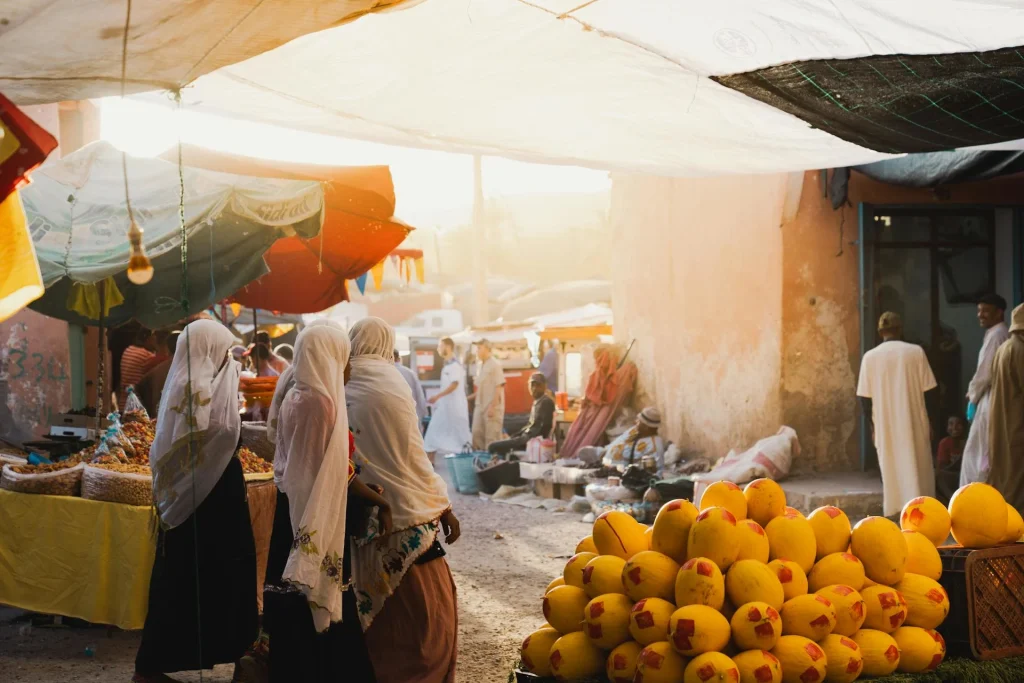
Every successful resilience project must be governed and sustained locally.
1. Decentralized Decision-Making
Our project management structure has been fully decentralized, with 80% of project spending decisions related to CSA made at the village level by elected Climate Action Committees (CACs).
- CAC Composition: CACs are deliberately composed of farmers, women leaders (ensuring gender equity), youth representatives, and traditional authorities.
- Accountability: This structure ensures that interventions are culturally appropriate and that local resources (labor, materials) are utilised efficiently and transparently.
2. Gender and Climate Leadership
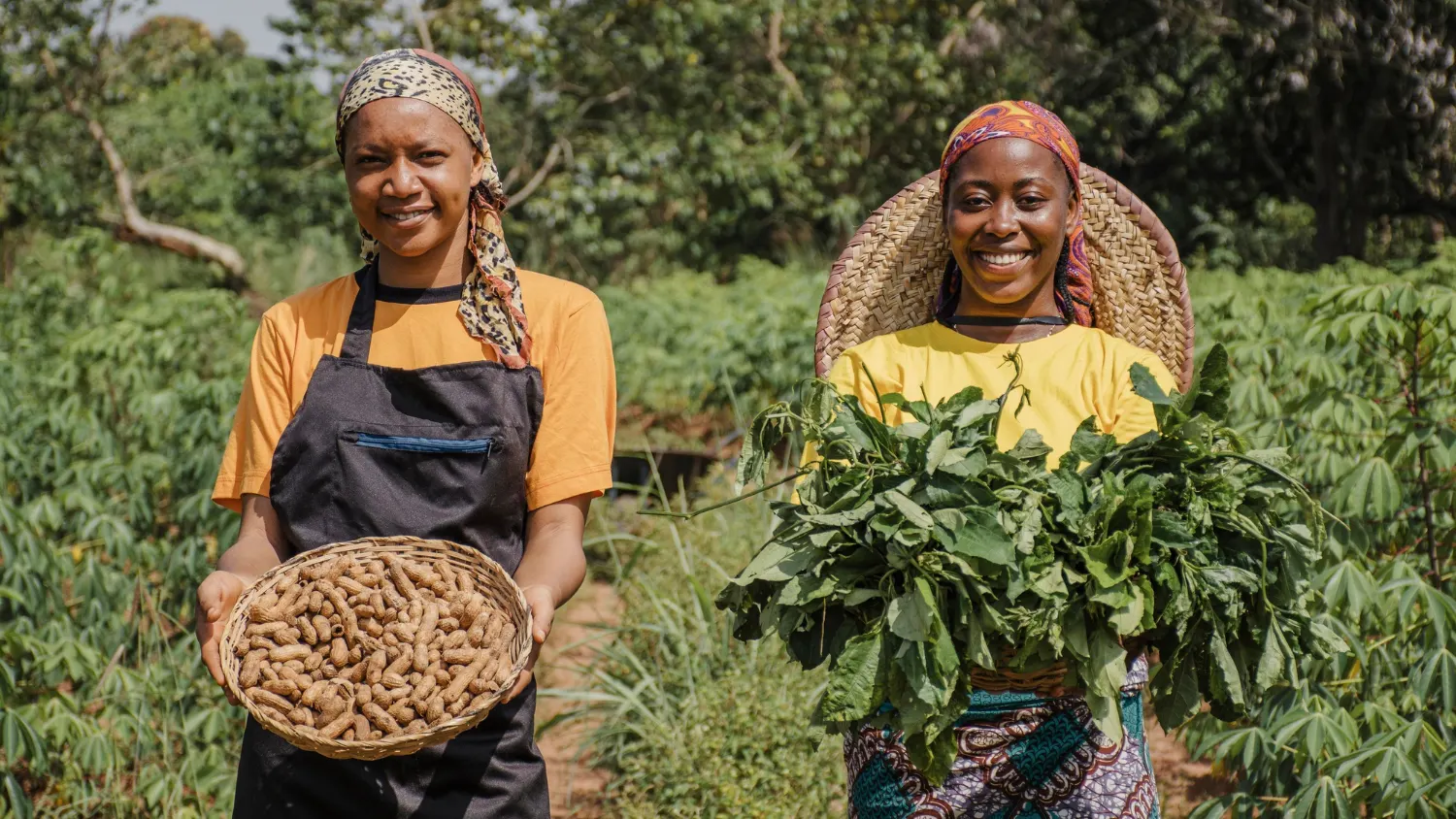
Women often possess the most comprehensive knowledge of seed systems, water sources, and traditional cropping patterns. Yet, they face systemic barriers to land ownership and financial control.
- Targeted Land Rights Advocacy: We provide legal aid and advocacy to help female farmers secure formal land-use certificates, enabling them to invest confidently in long-term resilience measures like tree planting and terracing.
- VSLA Integration: All CSA trainees are automatically enrolled in a VSLA (as detailed in Post 3) to ensure they have the capital needed to purchase inputs like improved seeds and tools.
F. Conclusion and Future Trajectory
The challenge of securing food security in the face of climate change is monumental, but it is surmountable through strategic, localized investment. This quarter’s work has confirmed that integrating indigenous wisdom with modern, accessible technology, and ensuring local ownership are the fundamental ingredients for long-term success.
Our commitment is to scale these proven models rapidly, turning pockets of resilience into comprehensive, regional food systems that can withstand future climate shocks.
Frequently Asked Questions (FAQs)
How do you ensure the introduced technologies (like LCIS) are accessible to non-literate farmers?
We use several methods: 1) Community Radio: Information is broadcast in local languages; 2) Trained Communicators: Local extension officers are trained to deliver messages verbally; 3) Visual Aids: Using simple pictorial charts to explain concepts like planting depth or pest identification.
What is the long-term plan for managing the new water infrastructure (e.g., check dams)?
Each piece of infrastructure is managed by a designated Water Users Association (WUA). These associations are trained in maintenance, and a small, locally agreed-upon fee (user fees) is collected to create a maintenance fund for future repairs, ensuring self-reliance.
How do you measure the success of the agroforestry program beyond yield?
Success is measured using three dimensions: Environmental (measured by soil organic carbon levels); Economic (measured by increased yields and fodder availability); and Social (measured by women’s control over tree products like fruit and fuelwood).
Want to Support Our Transformative Work?
Help us cultivate resilience and secure Africa’s food future against climate adversity.
| Action | Impact You Create | Action Link |
| Donate | Funds the training and seedlings for 10 families to start agroforestry farming. | Donate Now |
| Volunteer | Offer remote expertise in agricultural science, data analysis, or mapping. | Apply to Volunteer |
| Partner with us | Fund the construction of a new community check dam and water harvesting project. | Start a Partnership |
| Sponsor a Project | Commit to funding the expansion of the Hyper-Local Climate Information System (LCIS) into a new region. | Sponsor a Project |
Together, we can build healthier, stronger, and more empowered communities.