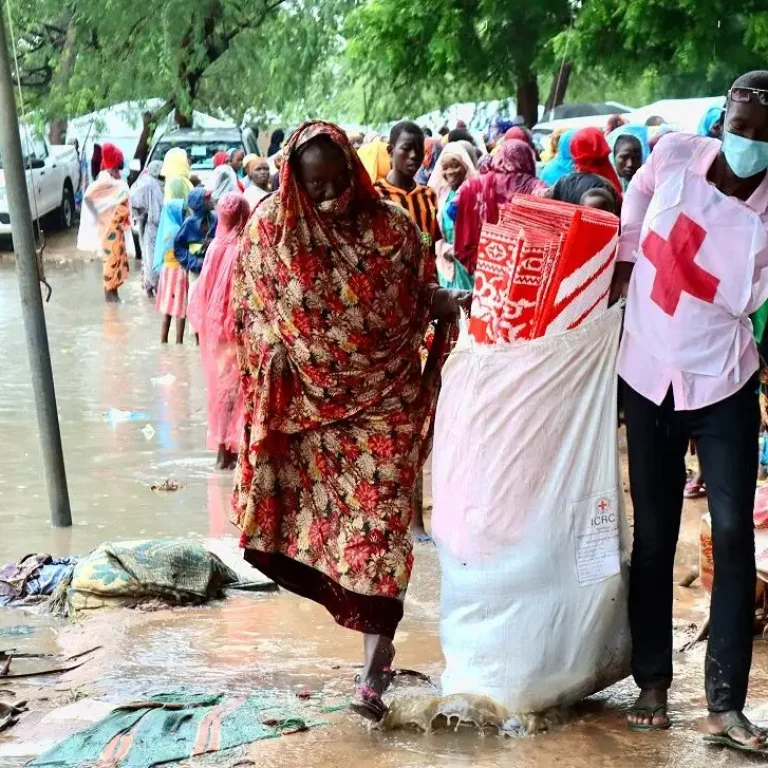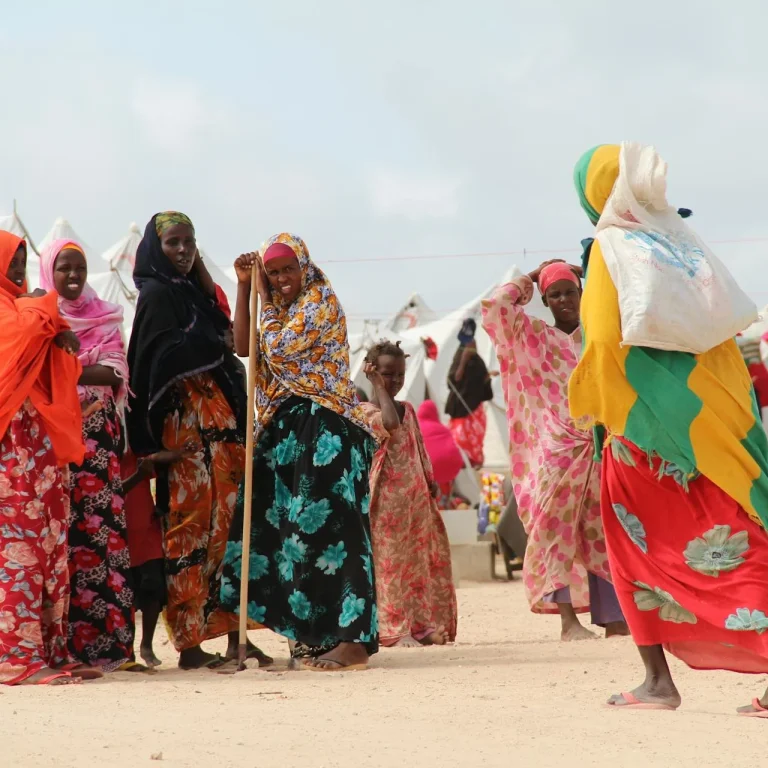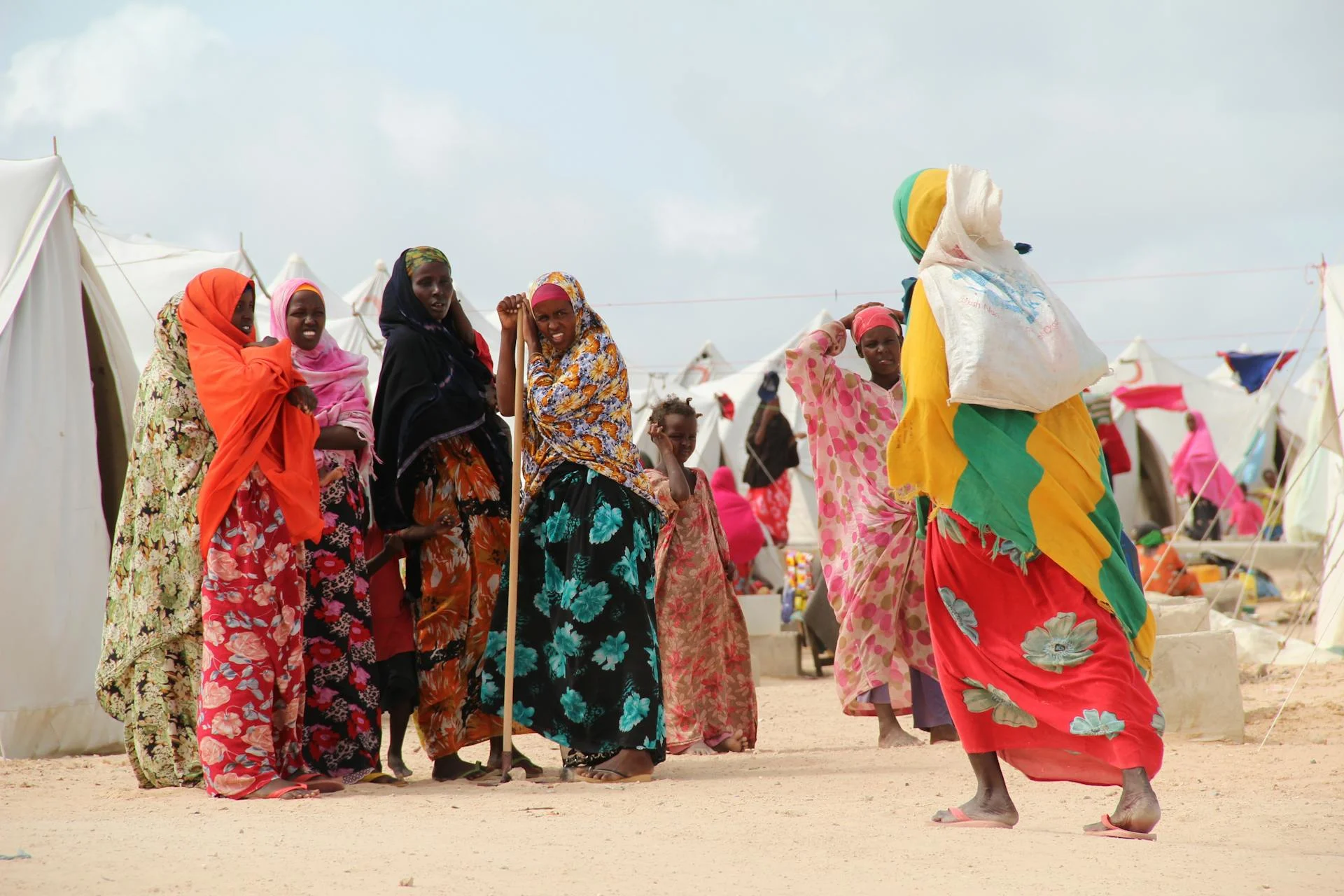
The increasing frequency and intensity of climate-related hazards—floods, heatwaves, and prolonged dry spells—demand a fundamental shift in how communities prepare for and respond to disasters. This quarter, our focus has been on moving beyond emergency response to building predictive, proactive, and resilient local systems through integrated Disaster Risk Reduction (DRR) and climate adaptation planning. This report details the successful establishment of Early Warning Systems (EWS) and the creation of Local Disaster Response Committees (LDRCs) in high-risk zones.
Introduction: From Reaction to Anticipation
Disasters should not be surprises. Our strategy is built on the principle of anticipation, empowering vulnerable communities with the knowledge and tools to mitigate risks before a crisis hits. Investing in DRR is an essential investment in protecting all our other development gains—in health, education, and livelihoods.
1. Community-Managed Early Warning Systems (EWS)
Overview
A timely warning can save lives and assets. We established localized, low-cost EWS tailored to specific hazards (river flooding and drought).
Scale of Impact
- 3 regional EWS networks established, covering 15 flood-prone villages and 5 drought-risk zones.
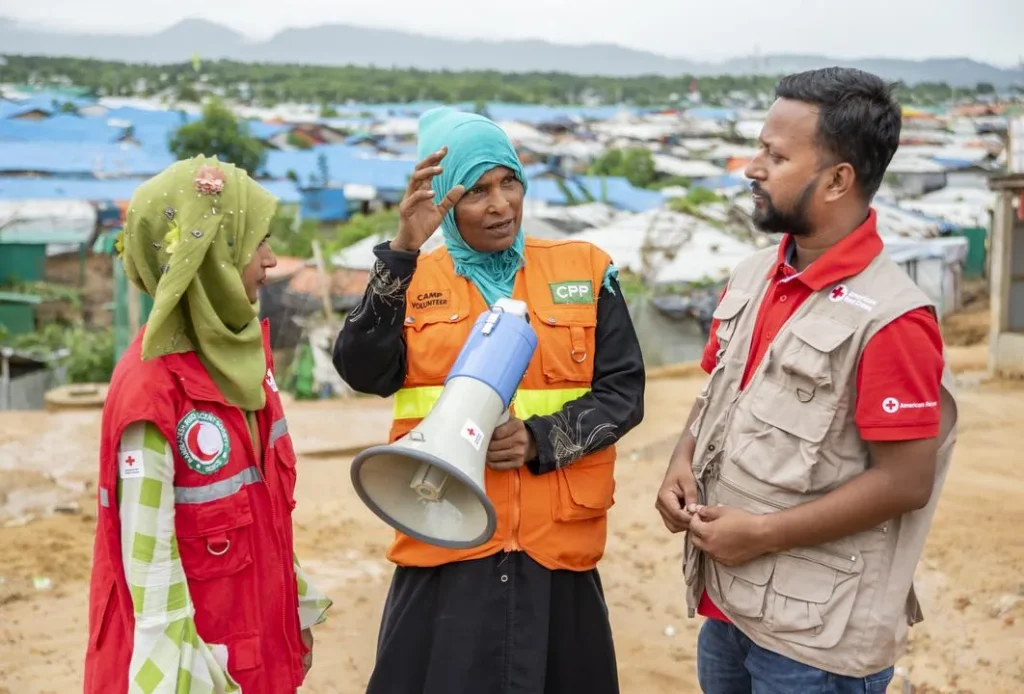
- The system includes simple river level gauges monitored by local teams and communicated via community sirens and dedicated WhatsApp/SMS groups.
- 100 community volunteers trained as ‘Early Warning Disseminators’ to ensure timely, culturally appropriate messaging reaches all households, including those without mobile phones.
Field Experience
During an unusual late-season flash flood, the new EWS provided a six-hour advance warning. This allowed 80% of families in the lowest-lying area to move their livestock and essential goods to designated safe zones, resulting in zero human casualties and minimal asset loss in the target villages.
“Six hours was the difference between saving our cattle and losing everything. This warning system is our community’s lifeline now.”
— Mzee Juma, LDRC Leader, Riverine Community
2. Local Disaster Response Committees (LDRCs)
Why Local Leadership is Key
The first and most effective responders to any local disaster are always the community members themselves. We formalize and equip this capacity.
Program Components
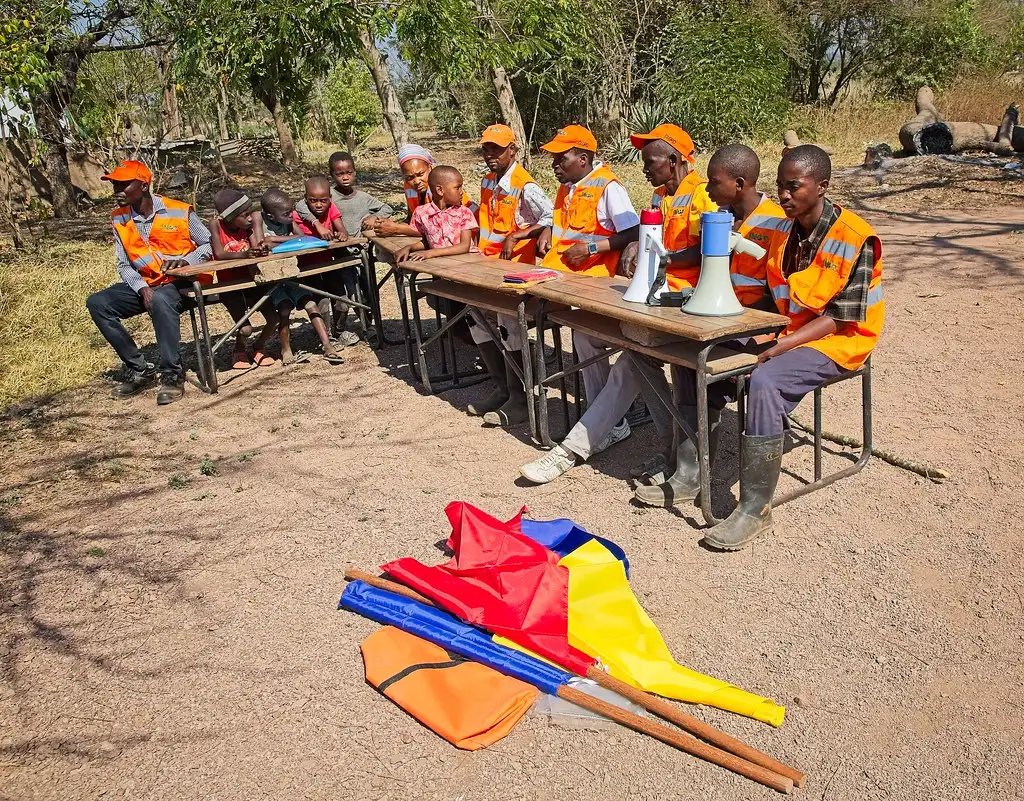
- 15 LDRCs formed and legally recognized by local government officials. The LDRCs are gender-balanced and include youth and persons with disabilities.
- Training & Equipment: LDRCs received intensive training in first aid, rescue techniques, safe evacuation planning, and managing temporary shelters. They were provided with essential equipment, including first aid kits, ropes, and megaphones.
- Vulnerability Mapping: Each LDRC conducted a local vulnerability assessment, mapping out safe zones, evacuation routes, and identifying the most vulnerable residents (elderly, disabled) who require targeted assistance.
3. Climate Adaptation in Practice: Drought Preparedness
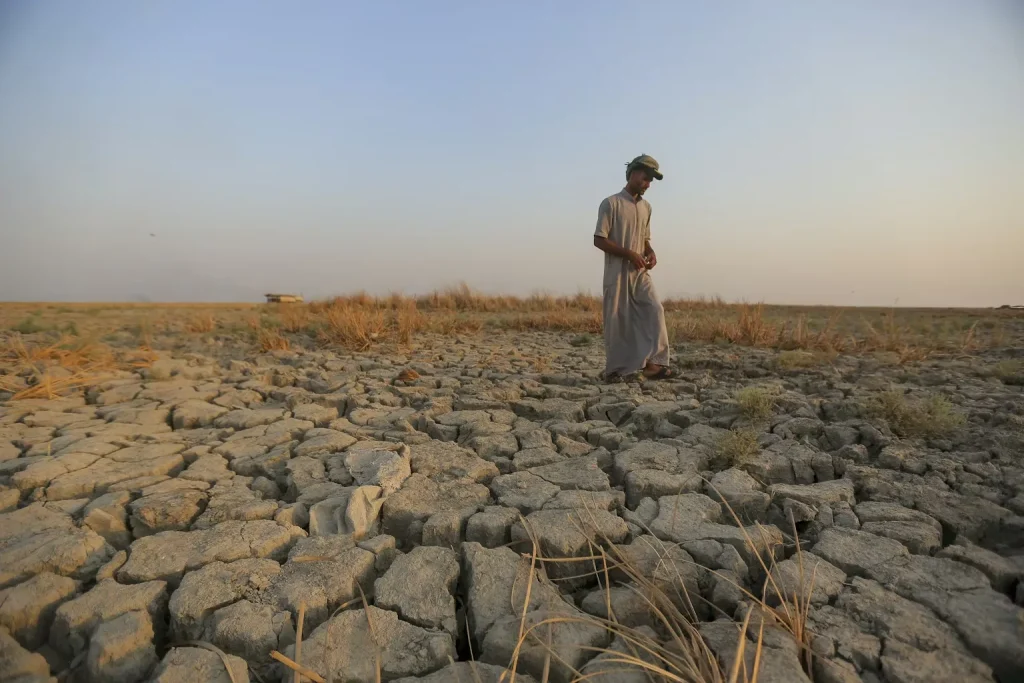
Our DRR work extends into long-term climate adaptation, particularly concerning drought:
- Emergency Fodder Reserves: LDRCs helped establish three community-managed emergency fodder banks near pastoralist settlements, providing critical feed during the extended dry season, preventing catastrophic livestock deaths.
- Seed Security: Distributed drought-resistant, short-cycle seeds to 1,200 farmers, ensuring that if early rains fail, they have a reliable backup crop to plant later in the season.
4. Upcoming Projects: Scaling and Integration
The next phase focuses on embedding these systems into formal structures:
- DRR Policy Integration: Working with district councils to formally integrate the LDRC structure and EWS protocols into local government disaster management plans.
- School Safety Audit: Launching a program to audit 20 school buildings in high-risk zones, implementing basic retrofitting and conducting mandatory emergency drills to protect students and teachers.
Conclusion: Moving Forward with Commitment and Compassion
By prioritizing DRR and localizing leadership through LDRCs and EWS, we are fundamentally changing the narrative of climate vulnerability. Communities are transforming from passive victims into active managers of their own risk, a vital step toward long-term security.
Frequently Asked Questions (FAQs)
Q1: How are the EWS alerts funded and sustained?
A: The system uses low-cost, open-source technology. The initial hardware setup is funded by the NGO. Ongoing maintenance and communication costs (like charging fees for the messengers’ phones) are covered by a small, dedicated fund managed by the LDRC, often supplemented by local contributions or small business ventures.
Q2: What is the role of local government in the LDRCs?
A: Local government officials formally recognize the LDRCs, providing them with legitimacy. They also act as the crucial link, ensuring LDRC findings and needs are relayed to higher authorities and that any external resources (like large sandbags or temporary bridges) can be deployed efficiently.
Q3: How do you handle political bias in LDRC formation?
A: We enforce a strict, non-partisan, and inclusive election process, with explicit criteria for balanced gender, age, and occupational representation. The NGO acts as a neutral convener during formation, ensuring the focus remains purely on community safety and risk mitigation.
Want to Support Our Transformative Work?
Help us turn timely warnings into life-saving action by strengthening local preparedness.
| Action | Impact You Create | Action Link |
| Donate | Funds the training and equipment for five new Early Warning Disseminator volunteers. | Donate Now |
| Volunteer | Offer remote expertise in geographic information systems (GIS) for vulnerability mapping. | Apply to Volunteer |
| Partner with us | Fund the establishment and equipment of one new Local Disaster Response Committee (LDRC). | Start a Partnership |
| Sponsor a Project | Commit to funding the new School Safety Audit program for one district. | Sponsor a Project |
Together, we can build healthier, stronger, and more empowered communities.