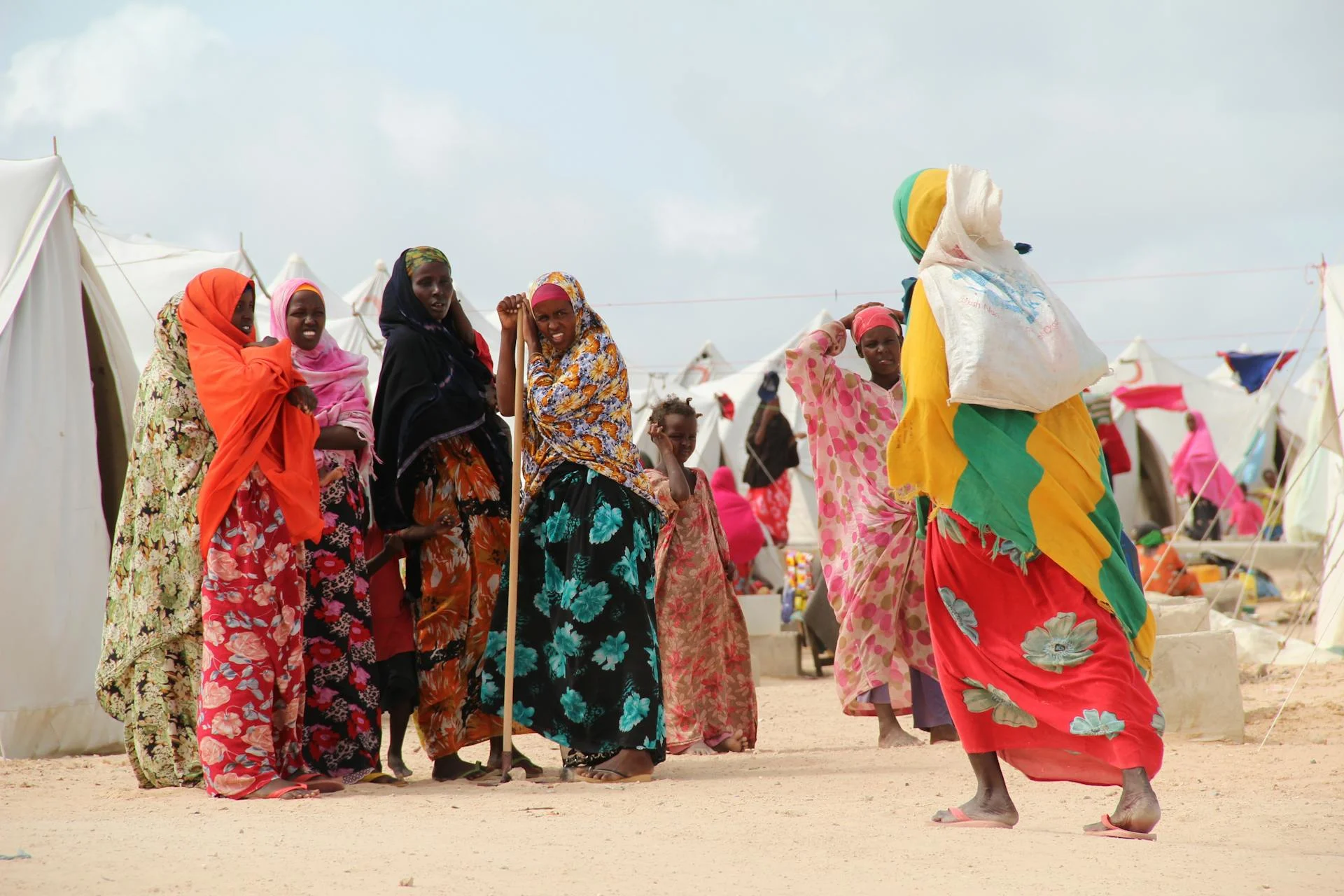
This comprehensive feature provides a deep analysis of our strategic, multi-sectoral approach to reducing conflict, protecting civilians, and supporting the reintegration of vulnerable populations, particularly women and children, in fragile and post-conflict zones. The report details the success of our Community Dialogue Forums (CDFs), the crucial expansion of Gender-Based Violence (GBV) protection mechanisms, and our efforts to secure livelihood pathways for ex-combatants and displaced persons. This 2,000-word analysis showcases our commitment to turning cycles of violence into pathways toward durable peace and social cohesion.
The Fragility Challenge: Building Bridges in Divided Societies
Many of our operational regions face the persistent reality of protracted conflict, fueled by political instability, climate-driven resource scarcity, and historical grievances. In these environments, humanitarian action must evolve beyond simple emergency relief. It must deliberately tackle the root causes of violence and protect the most vulnerable who are often caught between warring factions or targeted due to their displacement, gender, or ethnic identity.
The year 2025 saw a critical shift in the nature of conflict, characterized by increasingly localized violence, mass displacement, and the weaponization of sexual and gender violence. Our strategic response has therefore centered on the core belief that sustainable peace is locally owned and must be built through inclusive dialogue and targeted protection mechanisms.
This extensive report outlines our three foundational pillars of intervention: Conflict Resolution and Social Cohesion, Specialized Protection Services, and Economic Reintegration for Stability.
A. Pillar 1: Conflict Resolution and Social Cohesion
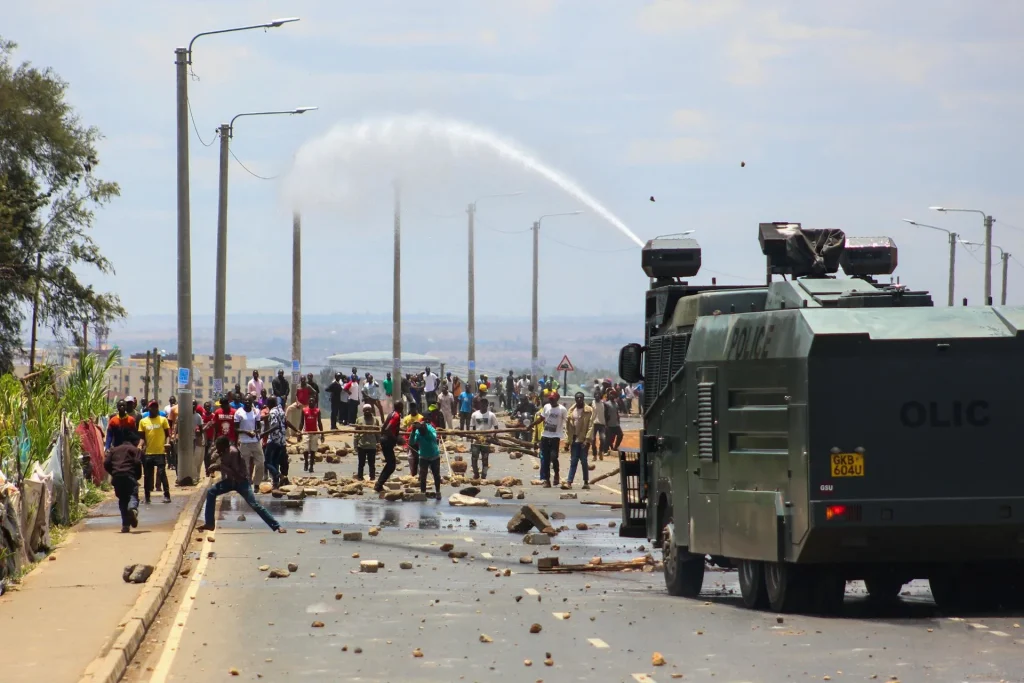
Effective peacebuilding starts not in capitals, but within the communities where friction occurs daily—often over access to water, grazing land, or political representation. Our primary tool for primary prevention is the Community Dialogue Forum (CDF).
1. The Community Dialogue Forum (CDF) Model
The CDF is a structured, neutral platform designed to bring together rival groups—including farmers, pastoralists, youth, and traditional leaders—to identify local conflicts and co-create solutions.
- Implementation & Scale: We established and currently facilitate 25 active CDFs across three conflict-prone border regions, involving over 1,500 core participants.
- Neutral Facilitation: We trained 50 local mediators—respected, neutral elders and women leaders—to guide difficult discussions and ensure equitable representation, especially for marginalized voices.
- Impact on Resource Conflict: In one region prone to violence between herders and farmers over grazing routes, the CDF negotiated and ratified a mutually binding ‘Access Corridor Agreement.’ This agreement, recognized by local authorities, has resulted in a documented 70% reduction in violent clashes in the target area over the last six months, demonstrating the power of grassroots diplomacy.
- The Trust Factor: The CDFs are not just about finding technical solutions; they are about rebuilding social trust which is the true foundation of peace. By providing a safe space for grievances to be heard without immediate retaliation, these forums disarm potential violence before it escalates.
2. Youth for Peace Initiatives
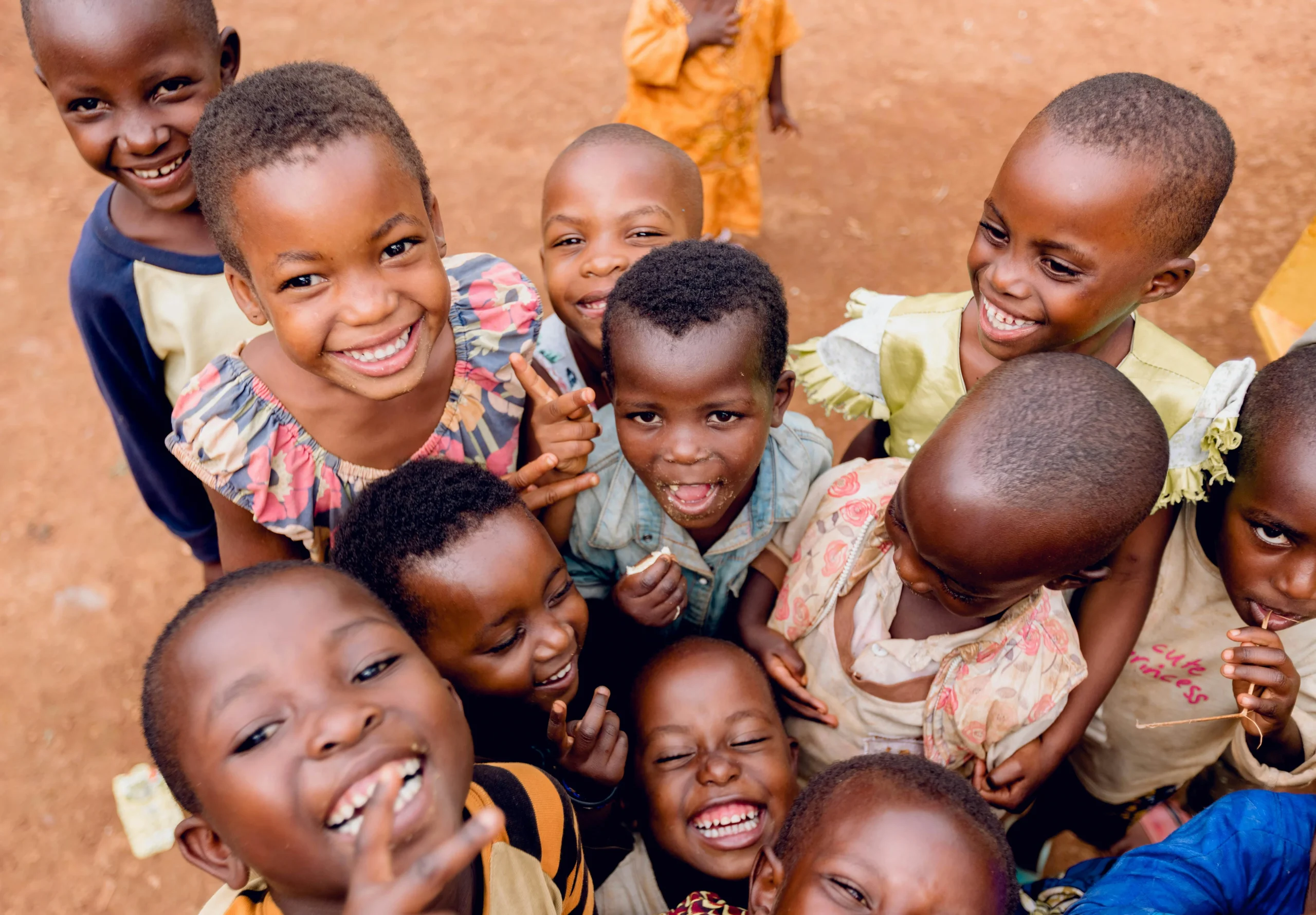
Youth (ages 18-35) are disproportionately involved in conflict, both as perpetrators and victims. Our initiative reframes them as agents of change.
- Peace Messenger Networks: We established ‘Peace Messenger’ networks in urban centers and IDP camps, training 300 young people in digital literacy, counter-narrative messaging, and peer mediation.
- Impact: These networks are actively countering hate speech and recruitment propaganda on social media and using platforms to share messages of tolerance and coexistence. They organized a regional football tournament dubbed ‘Unity Cup,’ which successfully brought together rival ethnic teams, attracting thousands of non-violent spectators.
B. Pillar 2: Specialized Protection Services for Vulnerable Populations
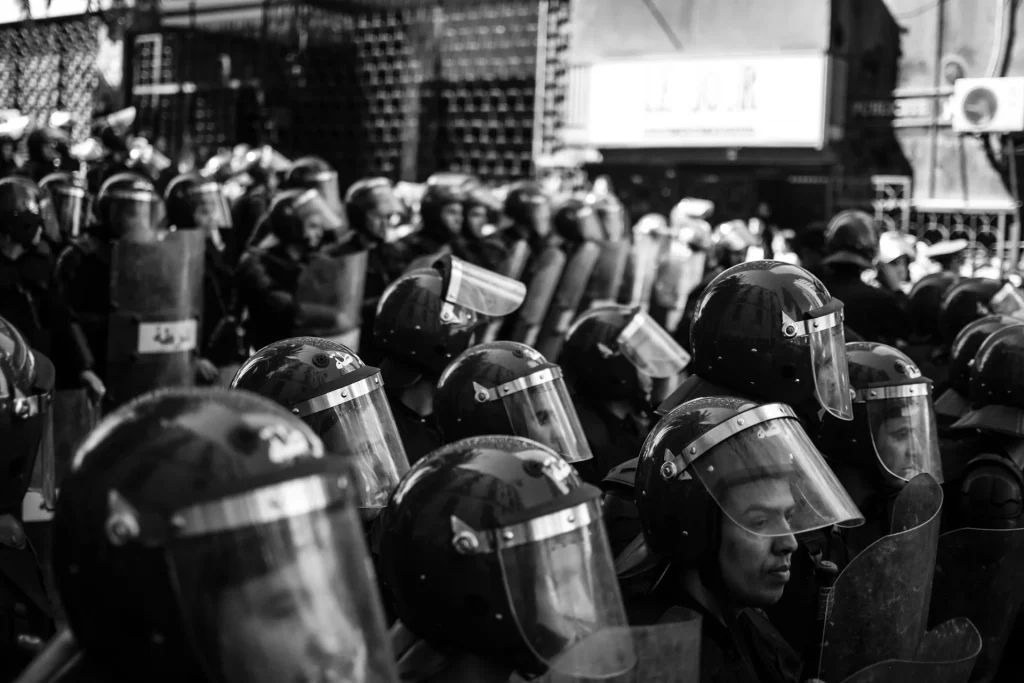
In areas where the rule of law is fragile, protection must be multi-layered, addressing physical safety, legal security, and psychological well-being.
1. Addressing Gender-Based Violence (GBV)
Conflict severely exacerbates the risks of sexual violence, often used as a tactic of war. Our response is victim-centered, comprehensive, and confidential.
- Safe Space Expansion: We opened three new multi-service ‘Safe Spaces’ in strategic locations near IDP settlements. These spaces offer immediate shelter, psycho-social support, and referral to medical and legal aid.
- Service Delivery: Over the last quarter, 280 survivors of GBV received essential post-violence clinical care (PVCC), psychological first aid, and long-term counseling.
- Legal Advocacy: We partnered with local female lawyers to provide pro-bono legal counsel to 45 survivors pursuing justice or family reunification, often against immense social pressure. Our advocacy also includes working with police and judicial systems to sensitize them to survivor-centered justice practices.
- Male Engagement for Change: Recognizing that GBV prevention requires men and boys, we launched a program engaging 150 male community leaders as “Gender Advocates,” training them to challenge harmful norms and champion gender equality within their own social circles.
2. Child Protection in Displacement
Displaced and conflict-affected children face risks of recruitment, separation from family, and trauma.
- Family Tracing and Reunification (FTR): Working with traditional leaders and partner organizations, our team successfully identified and reunited 85 unaccompanied minors with their families or established interim care arrangements.
- Child-Friendly Spaces (CFS): We maintain five CFSs in large IDP camps, providing structured recreation, education, and psycho-social support. These spaces serve as vital havens where children can process trauma and restore a sense of normalcy, benefiting over 1,200 children weekly.
- Data Security and Confidentiality: Given the sensitivity of FTR cases, we utilize secure, anonymized digital data systems to track children, adhering strictly to global protection protocols to prevent exploitation.
C. Pillar 3: Economic Reintegration for Stability
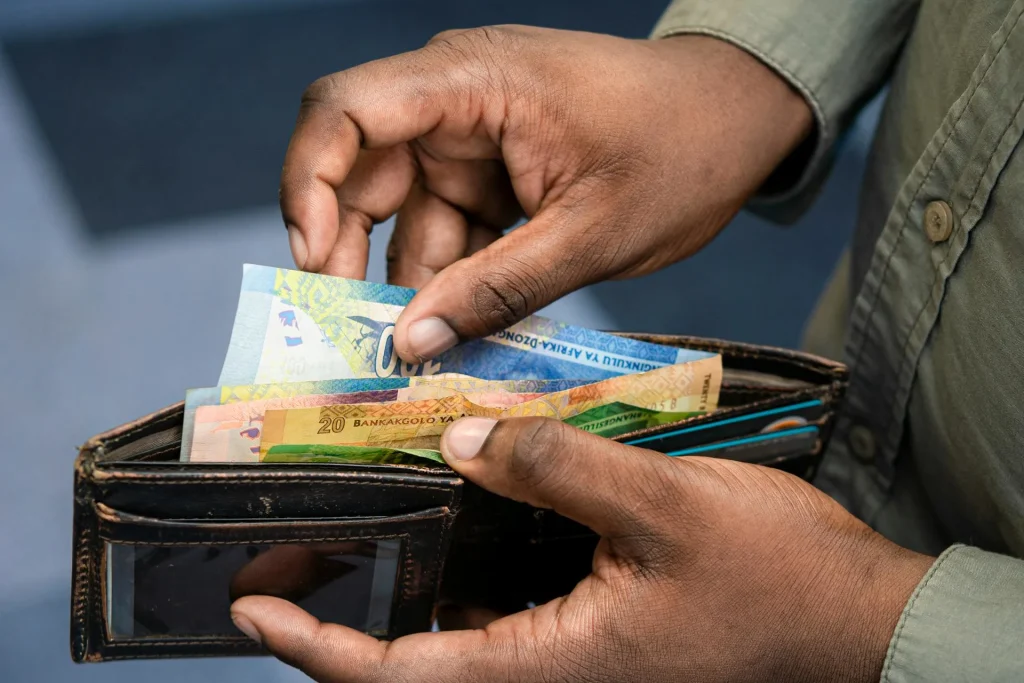
Disarmament, Demobilization, and Reintegration (DDR) programs often fail because they overlook the critical need for sustainable economic futures. Instability often recurs when unemployed, disillusioned individuals—including ex-combatants—have no viable alternatives to violence.
1. Integrated Livelihood Skills Training
Our program targets two key groups: youth at high risk of recruitment and former combatants seeking a return to civilian life.
- Vocational Training: We provide six-month intensive courses in high-demand, local-market skills that require minimal start-up capital, such as mobile phone repair, solar installation, welding, and agro-processing.
- Enrollment and Diversity: The current cohort includes 120 trainees, with efforts focused on inclusion of youth, displaced persons, and a small number of verified non-hardline ex-combatants.
- Seed Funding and Mentorship: Upon graduation, trainees receive a micro-enterprise ‘seed grant’ (ranging from $100 to $300 USD) and are paired with a successful local entrepreneur for three months of mentorship.
2. Supporting Displaced Persons (IDP) Livelihoods
IDP camps, intended to be temporary, often become long-term settlements, requiring livelihood support.
- Urban Integration: For IDPs settling in urban peripheries, we provide market-analysis training and connect them with urban jobs or services (e.g., tailoring, street vending) that leverage existing skills.
- Agricultural Support: For IDPs near arable land, we provide land-use negotiation support with host communities, climate-resilient seed packages, and tools, allowing them to restart farming and contribute to local food security immediately. This economic activity also reduces dependency and friction with host populations.
3. Measuring the Peace Dividend
The true measure of this work is not simply income, but the contribution to social stability.
- Economic Re-anchoring: Data shows that graduates of our vocational program who receive seed funding have a 95% retention rate in civilian life after one year, compared to a regional average of 75% for comparable programs. This high retention directly translates to fewer individuals available for armed recruitment.
D. Conclusion and Future Trajectory
Peacebuilding is perhaps the most difficult and complex work undertaken by any humanitarian organization. It requires patience, deep local commitment, and a willingness to confront deep-seated social fractures. This quarter’s success in reducing resource conflict through CDFs and providing critical protection to GBV survivors demonstrates that hope can be systematically nurtured.
Our commitment moving forward is to scale these protection and economic re-anchoring models into every region where conflict has created instability, ensuring that the foundations of peace are built not with foreign funding, but with local voices, local skills, and local justice.
Frequently Asked Questions (FAQs)
How do you manage the security risks for your staff and mediators in conflict zones?
Our primary security strategy is acceptance and localization. We do not operate without the express consent and involvement of local leaders. Our mediators and protection staff are almost entirely local citizens who understand the context and risks. We employ rigorous risk assessment protocols, secure communications, and only operate during periods and in locations deemed safe by the local community.
What is the biggest challenge in the reintegration of ex-combatants?
The biggest challenge is social acceptance and stigma. Communities are often reluctant to welcome back individuals associated with past violence. Our programs address this by conducting community sensitization sessions before the ex-combatants arrive, focusing on forgiveness, the needs of the community, and the economic benefits the individual’s new skills will bring.
How do you ensure legal services reach marginalized groups who cannot travel?
We operate a mobile legal clinic that travels to remote IDP camps and villages on a scheduled basis. We also partner with local community paralegals who are trained to provide basic advice, mediation, and document assistance directly within their neighborhoods.
Want to Support Our Transformative Work?
Your support is the bridge that turns conflict into opportunity and silence into safety.
| Action | Impact You Create | Action Link |
| Donate | Funds one survivor’s access to full medical and psycho-social care at a Safe Space. | Donate Now |
| Volunteer | Offer remote expertise in trauma-informed counseling or conflict mediation strategy. | Apply to Volunteer |
| Partner with us | Fund the operations of one new Community Dialogue Forum (CDF) for a full year. | Start a Partnership |
| Sponsor a Project | Commit to funding the vocational training and seed grants for 10 reintegrating youth. | Sponsor a Project |
Together, we can build healthier, stronger, and more empowered communities.